
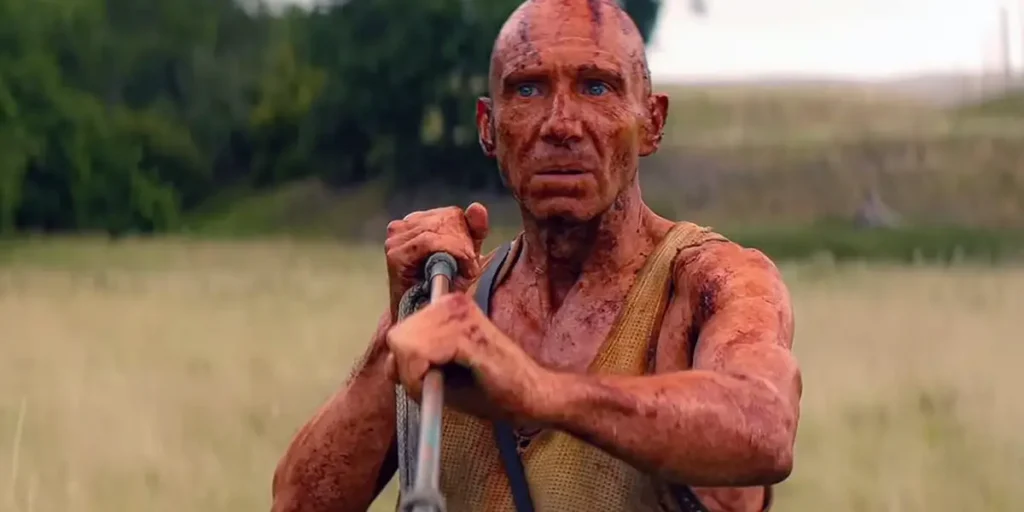
28 Years Later: The Bone Temple is not only the best sequel in the series, but it’s better than the original 28 Days Later. Here’s why!
28 Years Later: The Bone Temple was mostly well received. But if you told most fans of this long-running horror series that it’s even better than the first movie, you’d probably get a swarm of rage-infected maniacs running after you for such blasphemy… Or probably just healthy disagreement. Indeed, 2003’s 28 Days Later is considered a hallmark of the zombie film subgenre, with director Danny Boyle and writer Alex Garland ushering in a new wave of zombie-related media in the 21st century. (Even though the “zombies” are technically infected humans, but tomato to-mah-to.)
Since then, we’ve had three sequels hit theaters: 28 Weeks Later in 2007, 28 Years Later in 2025, and 28 Years Later: The Bone Temple in 2026. While these sequels have had a range of responses from disappointment to satisfaction, it seems the original is still lauded as the unbeatable classic. So, how can I possibly say otherwise? Let’s find out. Here’s why 28 Years Later: The Bone Temple is the best film in the series!
Recalling All Four Movies in the Series
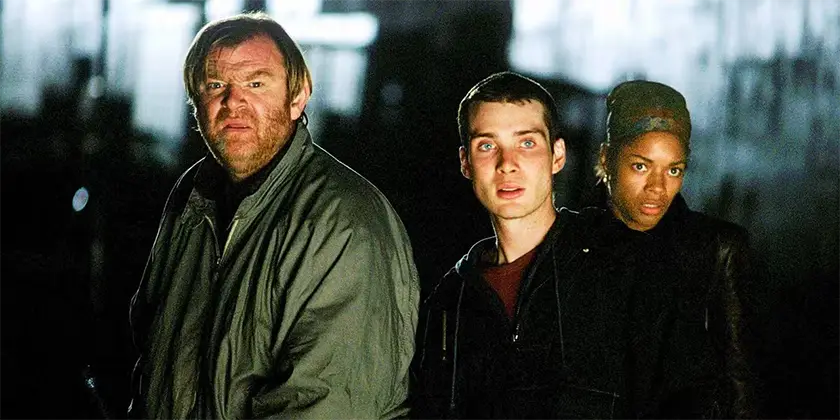
First, we’ve got to set the scene a little. In 28 Days Later, a rage virus is accidentally released and spreads across Great Britain, turning the infected into mindless killers within seconds. Cillian Murphy (Oppenheimer) plays Jim, who awakens from a coma 28 days after the outbreak and works with a survivor (Naomie Harris, of Black Bag) to escape both the “zombies” and a group of monstrous soldiers. In 28 Weeks Later, we follow a different group of characters when a London safe zone is compromised and the world outside a quarantined Britain is put at risk.
We shift gears again in 28 Years Later, where the virus has been wholly contained within the now-desolate British Isles. 12-year-old Spike (Alfie Williams) lives in a protected community, but he ventures into the overrun wild to find exiled Dr. Ian Kelson (Ralph Fiennes, of Conclave) and save his ailing mother (Jodie Comer, of The Death of Robin Hood). Kelson becomes a main focus in 28 Years Later: The Bone Temple when he crosses paths with the Fingers, a Satanic cult led by Sir Jimmy (Jack O’Connell, of Sinners), who have taken a regretful Spike as one of their own.
Why The Bone Temple Is Better Than 28 Weeks Later
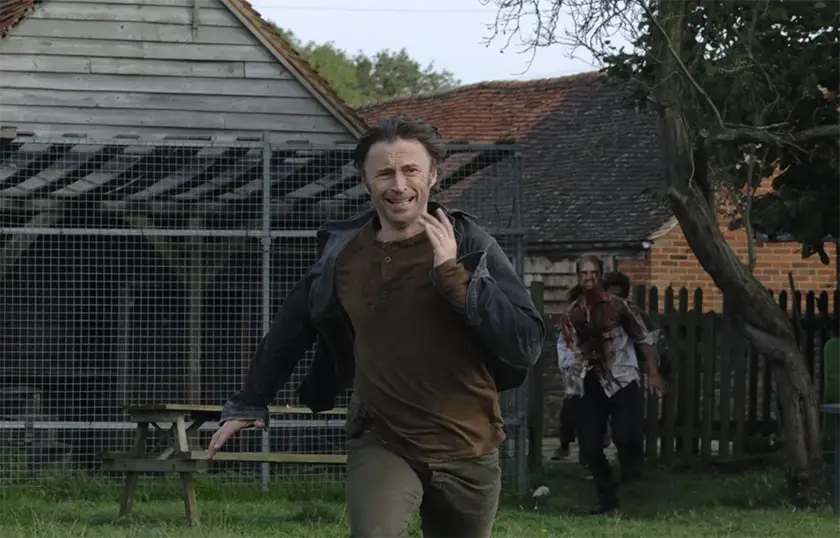
Most people seem to consider 28 Weeks Later as the weakest film in the franchise, so I don’t need to do much convincing here. For the sake of thoroughness, though, I’ll break it down quickly. This is an alright movie with a story that examines the cold, brutal nature of the virus’s containment more than any other film in the series. Mackintosh Muggleton plays a boy whose genes may contain the key to a cure, and he adds just enough heart to carry your investment.
But aside from Jeremy Renner as a conflicted sniper, no one else is as memorable as the characters in the other movies. Even Muggleton is outshined by Spike as far as kid characters go. The film also suffers from the colorless, desaturated look that plagued a lot of 2000s media. It’s at least shot well, aside from the abysmal shaky cam during the zombie chases and action. Almost like that’s a carryover from the first movie- okay, we’ll get to that.
Lastly, the film’s depressing ending is totally resolved by the next film, meaning 28 Years Later currently has no importance to the series as a whole. Not that that determines a film’s quality, but it doesn’t help. Bottom line, 28 Weeks Later is fun enough, but it does nothing that at least one other film in the series doesn’t do better.
The Bone Temple Improves On The Story Of 28 Years Later
Okay, now let’s actually bring The Bone Temple into the conversation by comparing it to the film to which it’s most connected. The first 28 Years Later puts an interesting spin on the outbreak by showing a community that’s largely managed to separate from it. However, that comes with a sheltered life that doesn’t fully grasp any universal harshness that existed well before the apocalypse. Spike must confront an unfaithful father and his mother’s fatal illness that’s completely unrelated to the rage virus, and his inability to cope leaves him disillusioned by the end of the film.
The problem is that 28 Years Later doesn’t devote enough time to how Spike’s commune functions, their habits, cultures, or perspectives. We get some good looks, but the film’s first act is a largely unrelated hunt of the infected with Spike and his father (Aaron Taylor-Johnson, of Nosferatu). It sets the stage a bit, but not enough to catch up with 28 years’ worth of change. Even the next portion is mostly centered around a pretty standard run-away-from-zombies survival journey similar to the first movie.
In The Bone Temple, on the other hand, the primary conflict rests almost solely within the Fingers as opposed to the zombies. Sir Jimmy in particular is as much a psychotic monster as he is a victim of a zealous upbringing, fully convinced that the outbreak is the work of the Devil almost as a means of bringing some meaning to a world that’s lost it. But he’s also manipulative and underhanded within that staunch belief. When the Fingers believe Kelson is Satan himself, Jimmy forces Kelson to pose as the Devil to reaffirm his own power as their leader.
These ins and outs are much more interesting than another set of zombie chases, and they say a lot more about what this disaster has done to people. Kelson was already a foil to the life Spike knew: fully immersing himself in an understanding of the cruelties but also beauties in this new world. He’s built a temple from the bones of those who have died in the epidemic, solely for the sake of their memories. He’s eccentric, but that mindset is a strength without him losing his kindness. He’s the best part of 28 Years Later, which means The Bone Temple is made even better by making him one of the main focuses from start to finish.
The Bone Temple Improves On The World And Tone Of 28 Years Later
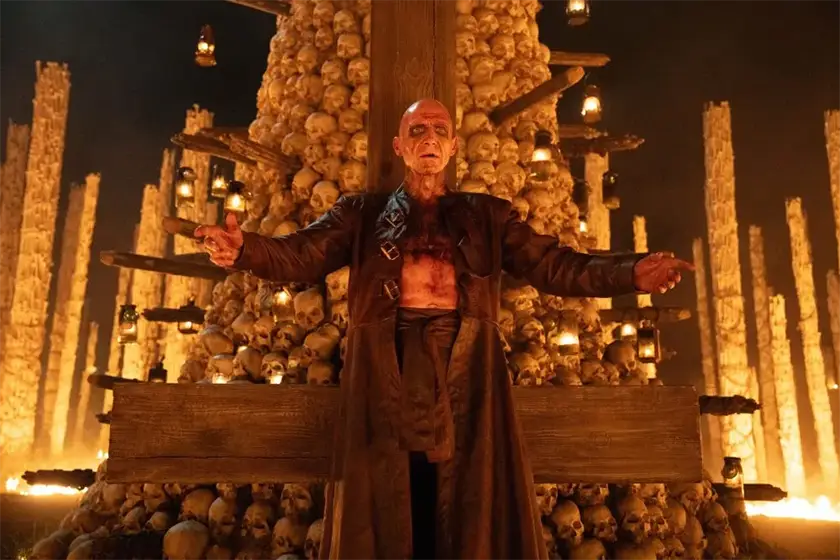
28 Years Later and The Bone Temple both have nuggets of new worldbuilding in regards to how the rage virus works and how it’s evolving. But while these bits are interesting in 28 Years Later, they don’t directly contribute to anything meaningful outside of potential setup for sequels. In The Bone Temple, the virus’s evolution is critical to the film’s most touching relationship: that of Kelson and Samson (Chi Lewis-Parry, of Gladiator II), a zombie whose humanity returns from Kelson’s methods and experiences.
It’s because of this friendship that we not only get an infection victim we like, but we get the biggest sign of hope that there may be a way to stop the virus for good. It’s compelling from a big-picture perspective, and it’s done through many soft, tender, and even funny scenes between Kelson and Samson. When this world collides with that of a murderous gang who embraces evil instead of understanding but rejecting it, the rest of the movie is filled with just as much catharsis, heartbreak, and interesting setup for a sequel as anything in 28 Years Later.
Lastly, The Bone Temple bests its predecessor when it comes to tone. 28 Years Later plays itself almost entirely serious… except for the few moments in which it doesn’t. The most notorious example is the ending, in which the Fingers meet Spike for the first time in a wildly over-the-top sequence that’s nothing like the rest of the movie. The Bone Temple gets weird and silly, too, but it’s more consistent. The Fingers and Kelson are among the main characters, so all of their eccentricities and distinguished personalities inform the tone blanketly, as opposed to in infrequent spurts.
That’s why The Bone Temple can have a finale consisting of an Iron Maiden singalong – part of Kelson’s way of proving he’s the Devil – and it works. Obviously, most of what The Bone Temple accomplishes is thanks to the setup from 28 Years Later. But it takes that movie’s strengths, expands upon them, irons out the kinks that made it choppy, and most importantly, stays focused on the story it’s telling.
The Bone Temple Has Better Characters Than 28 Days Later
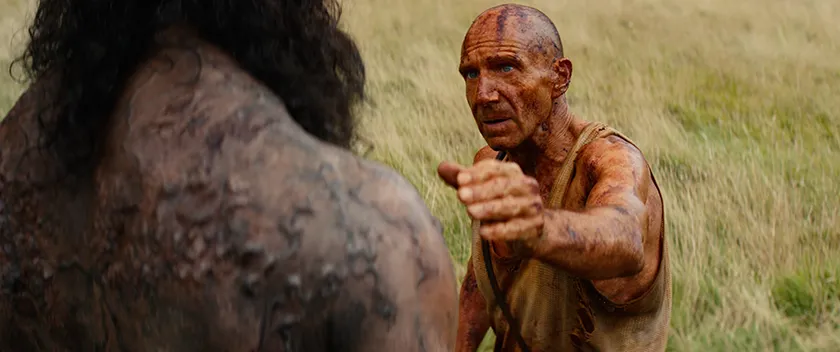
Time for the main event: why do I think 28 Years Later: The Bone Temple is even better than the supposedly unmatched 28 Days Later? Danny Boyle’s original has been highly praised for its focus on characters and drama, and it succeeds thanks to its characters being fairly interesting… but not remarkably so. Cillian Murphy’s character is perfectly serviceable as the good, likeable everyman who steps up when needed. But that’s primarily all he is; outside of a few scenes, you can’t read that much into him beyond his nobility.
Naomie Harris’s character, Selena, is a similarly sturdy archetype as the no-nonsense fighter whose steely heart is softened. But said softening comes a little abruptly, especially regarding her romantic feelings for Jim, and she’s largely reduced to someone who needs to be saved in the third act. Brendan Gleeson (Joker: Folie à Deux) and Megan Burns are featured as an endearing father and daughter, but you know what’s going to happen to them the minute they join the group.
The villains are certainly diabolical, in that they set up a military broadcast promising safety but really are looking for female sex slaves. But I remember their plan more than who they are as people. Every character gets the job done; there’s very little wrong with any of them. But they’re nowhere close to being among the best lineup in even a “zombie” survival movie.
In The Bone Temple, Spike serves as the kind innocent forced to confront the nightmares around him, similarly to Jim. But him being so young, and trapped in a torturous death cult, makes him even more sympathetic, to a point where you’re desperate to see him get away. And he does, alongside fellow Finger Jimmy Ink (Erin Kellyman, of The Green Knight). Ink is the only other cult member who’s retained enough of her soul to question and eventually turn against the Fingers. She reclaims her former identity and joins Spike as they flee together, surviving on their own.
Because of the strange, screwed-up path these two took to reach this point, I’m much more curious to see where they go from here than I ever was to see the original cast’s fate. Beyond them, I’ve spent enough time talking about what makes Kelson, Sir Jimmy, and Samson such great characters. I’ll even go so far as to call Kelson the best character in the series, period. Granted, everyone in The Bone Temple I haven’t already mentioned is as forgettable as horror movie characters come, but the main players do all the heavy lifting required.
The Bone Temple Has Better Action Than 28 Days Later
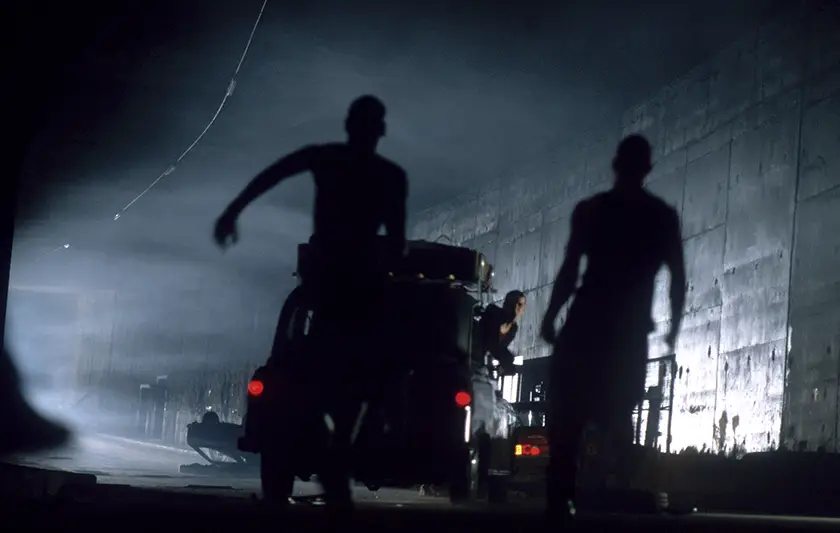
Now, this is what I’ve been waiting to talk about. I’ll start nicely by saying that both films boast equally striking overall cinematography. 28 Days Later was among the first films of its size to be mostly shot on digital video cameras, which helped it achieve a very dirty, run-down look that wonderfully serves its shots of a desolate, overrun England. The Bone Temple is more “conventional” in its approach, but it’s still rich in detail and color without losing the grainy, unsanitized aesthetic you need to make this world work.
However, I am bewildered by how few people I’ve seen take the original film’s inexcusably horrendous action filmmaking to task. I thought we all agreed that incredibly obnoxious shaky cam was bad, actually, and yet 28 Days Later somehow gets to abuse the hell out of it to the complaint of seemingly no one. Clearly, we’re supposed to feel the frantic chaos of being hunted by mindlessly raging monsters. But surely there’s a way to do that without hyperactive closeups that allow me to make out not a single damn thing I’m looking at.
Case in point: director Nia DaCosta does exactly that in The Bone Temple. The action and chase sequences are disorienting, shaky, and stressful while still having good composition. I can make out the deliberate choices made while still being placed in the intense heat of the moment. All Boyle’s approach in 2003 does is give me a migraine. More than anything else, this is the reason I don’t consider 28 Days Later a top-tier genre staple. If I can’t enjoy the zombie chases in my zombie movie, we have a problem.
The Bone Temple Is Fresher Than 28 Days Later
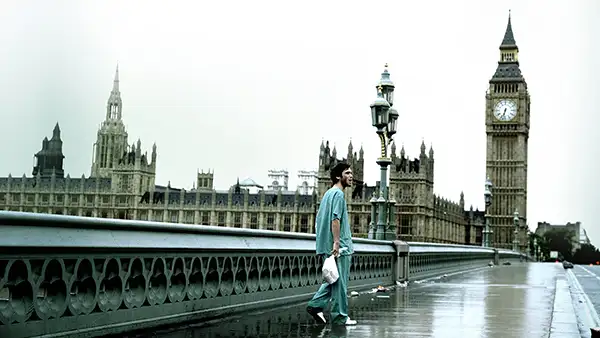
This last comparison is tricky because 28 Days Later really did reinvigorate the zombie subgenre of horror. We hadn’t seen personal stories, grounded stakes, or even fast-moving zombies to this degree very often, and projects like The Walking Dead, Zombieland, and World War Z all followed in its wake in various ways. But the tradeoff is that, now that we have all these subsequent modern-era zombie stories, 28 Days Later doesn’t stand out as much anymore.
Anyone watching the film for the first time nowadays has probably seen a lot of its tricks already. You’ve got the kindhearted side characters you know are going to die, the philosophical questions of how much humanity to give up for the sake of pure survival, corrupt people using the apocalypse for their own nefarious purposes, etc. It’s not entirely fair to say 28 Days Later is a less impressive movie for being among the first to bring these tropes into the 21st century. But because it does everything well but not outstandingly well, I have less reason to want to rewatch it now.
You know what I’ve seen much less often in a zombie movie? Someone covered in iodine, dancing around a temple of bones to 80s metal in one of the most visually glorious, badass, ridiculous things ever filmed. Or one of the members of a hellish, murderous cult turning face and becoming one of the film’s most rootable characters. Or an entire story in which the zombies are barely even present as obstacles. Hell, the most prominent one is a friend, a naked and hugely muscular alpha male who slowly becomes a tamed wolf of a human and dances to Duran Duran.
I’m not saying The Bone Temple is some profound work of genius that will revolutionize the genre all over again. In fact, the story gets to a slow start with a group of survivors being tortured for prolonged periods of time. But the further it goes, the more of its big risks wind up paying off, especially in retrospect. Both it and the previous 28 Years Later feel like writer Alex Garland’s responses to the decades of recurring tropes and motifs we’ve gotten from these types of movies, as opposed to the original which plays them straighter.
Who knows; maybe years from now, these new movies will feel just as overly familiar. But for now, if I want a unique flavor of horror that successfully runs through a spectrum of emotions and tones, The Bone Temple is the film in this franchise I’m thinking about first.
All Four Movies Still Have A Lot To Offer
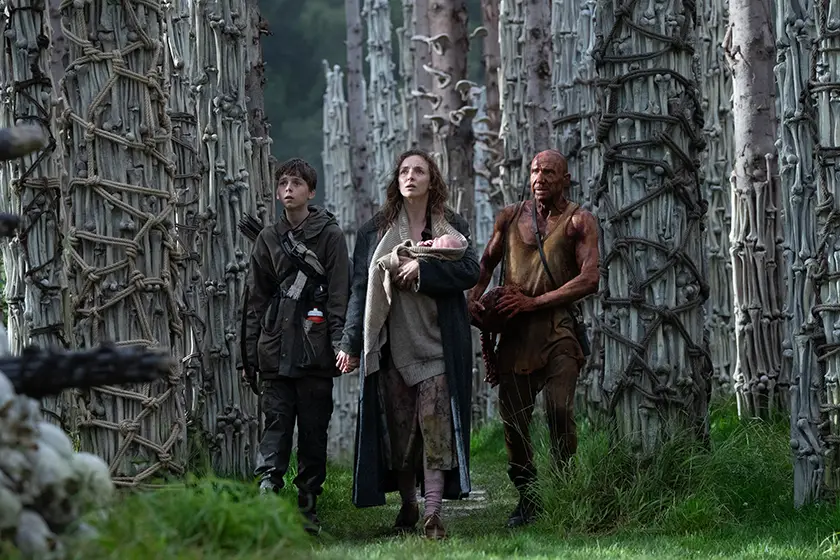
In case it wasn’t clear, I unambiguously enjoy every movie in the 28 Days Later series. The original and the two most recent films are all really good and have a lot to offer as both horror/thrillers and character dramas, and even 28 Weeks Later has more going for it than against it. Part of me feels bad knocking the original down so much, but that’s more for the sake of comparison than judging it as a film on its own.
Everything simply boils down to me finding these movies a lot closer in quality than other fans might, and 28 Years Later: The Bone Temple happens to come in above the others in that close race. It’s the best film in the series because it finds the best balance of a good story with good characters, a bleak world that raises questions, memorable visuals, and out-of-the-box thinking.
No matter what, though, it’s hard to imagine anyone liking one of these films but hating the others. So, whether you’ll agree with me or not, I still recommend giving them all a watch and seeing which one infects you with joy the most.
28 Years Later: The Bone Temple is now available to watch on digital platforms.