
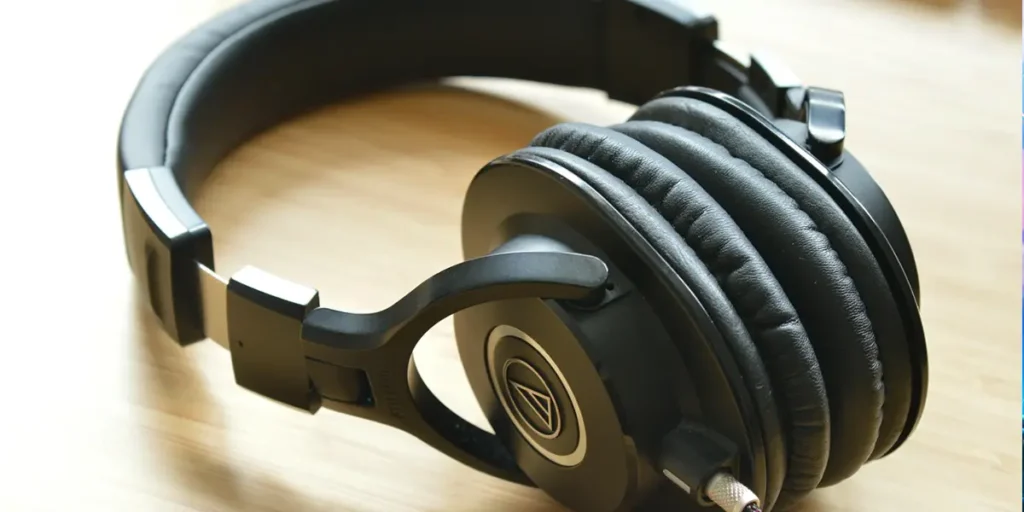
There is a very certain image of noise-cancelling headphones. They sit on the planes, trains and airport lounges and most people who use them are often wearing them as a sign that they do not want to be addressed. For a long time, the message was simple: noise cancellation is for travel.
That concept does not apply to the lives of many people anymore. More people work from home. A greater number of individuals reside in apartments that have thin walls. There is more sharing of space with partners, children, pets and the appliances that appear to be eager to produce noise at the most inappropriate time. The home does not necessarily remain quiet in that case, and the popularity of noise-cancelling headphones begins to become logical.
Is it worth it? Let’s see.
The real question is practical. Do you think noise-cancellation headphones are worth the purchase when you spend most of your time at home, or are you paying more money to use a feature that does not address the issue you are facing?
Active noise cancellation, often shortened to ANC, is designed to handle a specific type of sound. It works best on constant, predictable, low-frequency noise. At home, that usually means things like air conditioning systems, heating units, fans, refrigerators, washing machines, or steady traffic noise coming through a window.
The technology operates on the basis of detecting an incoming sound with the help of microphones and producing a sound wave that is opposite in direction and therefore cancelling it. This is best done where there are not many changes in noise. This is why noise cancellation works so well when it is on a plane or a train, and why it can also be quite effective when implemented in some home settings.Where people often get disappointed is in what noise cancellation does not do well. It does not work very well when there are human voices in the same room. It finds it difficult to cope with sudden or irregular sounds such as closing of doors, clattering of dishes, children playing or barking of dogs. Televisions and music playing nearby also tend to come through more than people expect. Even a subtitle generator might help.
Expectations Vs. Reality
In this case, expectations are important. Noise-canceling headphones are not a silence button. They minimize their background noise at home and do not get rid of distractions altogether. Noise cancellation can be of great benefit in case your chief issue is a persistent hum or drone, or a loud movie playing in the background; action movies in particular can be quite challenging for your eardrums. People talking can be your primary issue, and it might not work that well.
The reduced listening fatigue is one of the benefits of noise cancellation that is seldom discussed. You are always filtering background sound even in a fairly quiet house. You might not be aware of it but it takes effort. In the long run, the effort is accumulated and may cause you to be more exhausted than planned.
Noise cancellation reduces that mental load. Many people find that they feel less drained after long work sessions, that they can listen at lower volume levels, and that it is easier to concentrate, even without music playing. This effect is subtle, but for people who spend many hours wearing headphones at home, it can be one of the most meaningful advantages of ANC.
Negative Implications
However, there are cons, which are more of an issue at home as opposed to when travelling around. One is sound quality: When the noise cancellation is activated, most headphones distort the sound a little. There is a tendency to enhance bass, the high frequencies can sound less natural, and the whole presentation can be less natural. This normally is not a problem with podcasts and videos, but it can be an issue if you’re watching a movie with really great sound design, as you wouldn’t be able to experience it properly. It can also be a problem for music lovers.
The other negative aspect is the physical feeling that some individuals have. Active noise cancellation may cause a slight sense of pressure in the ears like a deflation in altitude. It is not harmful, but it can be uncomfortable, in case of prolonged listening. It may not be noticed by all but to those who get to notice it, it can render ANC less pleasant at home where long hours are usually spent with headphones on.
Another viable consideration is battery dependence. Noise cancelling headphones require power. Even wirelessly listening is dependent on battery life. At home where convenience is usually more important than portability, it can be irritating to consider the issue of charging. ANC headphones might seem like unnecessary work in case you simply want something that you can grab and use forever without any previous planning.
Passive Isolation
This is where passive isolation enters the picture. Passive isolation only refers to the process of preventing access to sound by physical design and fit without electronics. Properly fitted in earbuds or well designed closed back headphones can actually block a large portion of noise, particularly in higher frequency types of noise such as voices and household noise.
Passive isolation also has a number of benefits. It does not require power. It does not alter the acoustic signature. It is not accompanied by a sense of pressure. To a large number of individuals, it is a cheaper way of addressing most of the noise issues at home.
Passive isolation is often enough if your home does not have constant low-frequency noise, if your main distractions are other people rather than machines, and if you value simplicity and sound quality.
Noise-cancelling headphones are worth purchasing at home the most when the noises are constant and inevitable. ANC can make life more comfortable in case you have to work long hours in the same environment, near traffic, or live with people who cannot control the noises around you. In such instances, making silence is not so much as it is about becoming less frictional and exalted.
Conversely, noise-cancellation headphones can be excessive when you usually live in a quiet place, noise is not always present, when you listen in brief bursts, or when you are very concerned about the sound that is natural and needs no maintenance. In such cases, you might get to pay for a feature that you do not use frequently.
A simple way to decide is to pay attention to the type of noise you hear. If you turn off everything in your home and still notice a constant hum, noise cancellation is worth considering. If the noise is mostly intermittent and human-made, fit and passive isolation are likely more important.
In the end, noise-canceling headphones are not just for travel anymore, but they are not automatically the right choice for home listening either. They excel at reducing steady background noise and lowering mental fatigue. They struggle with voices and sudden sounds. They offer comfort to some users and unnecessary complexity to others.
At home, the best headphones are not defined by how many features they have. They are defined by how well they match the kind of noise you live with every day.
This article was produced in partnership with Clideo. At Loud and Clear Reviews, we only work with partners that provide relevant, valuable content for our readers.