
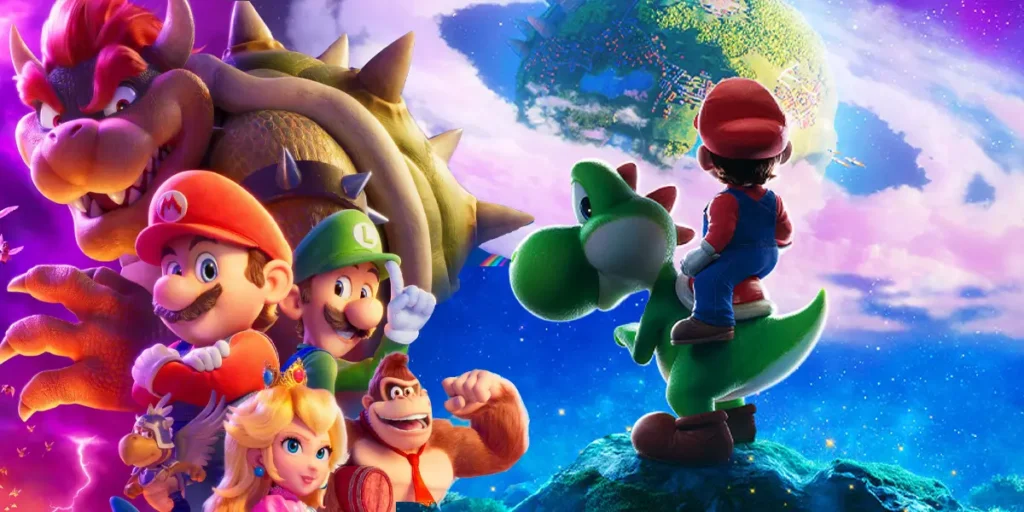
The Super Mario movies claim to faithfully bring the video games to film, but they fail as adaptations by missing their sources’ unique heart and charm.
I’m going to talk negatively about The Super Mario Bros. Movie and The Super Mario Galaxy Movie. If you buy into the rhetoric of critics = bad and fans = good, prepare to read this with the Luigi death stare plastered on your face. Indeed, most of us know that these two films get much more love from longtime fans of the Mario franchise than from most critics, with the former claiming they’re adaptations made squarely for them and don’t need to satisfy a critical audience. Well, I’ve loved this franchise for two decades. You might say I’ve spent hours of my life stomping Koopas. So, I should enjoy them purely from my perspective as a fan, right?
Unfortunately, no. Not only are these movies not good as… well, movies, but they also fail as adaptations of the Mario games. We all know the plots by now: in The Super Mario Bros. Movie, Mario (Chris Pratt, of Mercy) travels to save his brother Luigi (Charlie Day, of Honey Don’t!) from the evil Bowser (Jack Black, of Anaconda). In The Super Mario Galaxy Movie, it’s the same deal but with Rosalina (Brie Larson, of The Marvels) as the abductee of Bowser Jr. (Benny Safdie, of Oppenheimer). Throw in a thousand references, Easter/Yoshi eggs, and cameos from the Mario and Nintendo lineup, and how could the Mario fan in me not be satisfied at the bare minimum?
Let’s find out. Here’s why the Mario movies fail as adaptations of the iconic video games.
How The Mario Movies Adapt The Characters
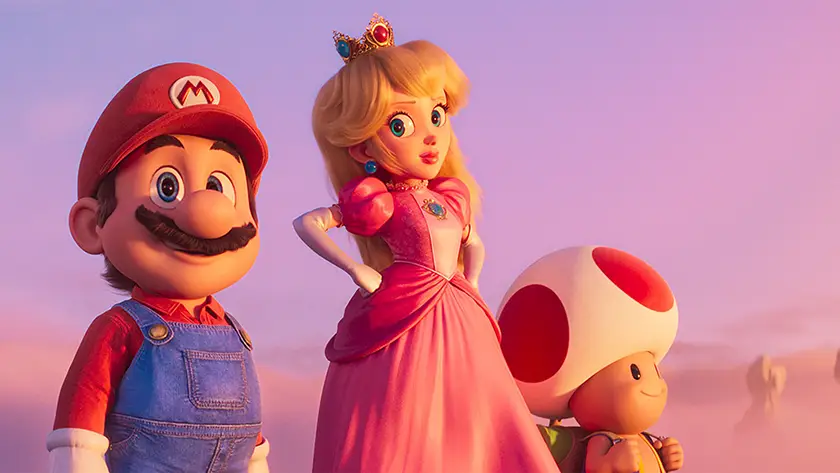
You’d think a big reason to watch a Mario movie instead of just playing a Mario game is to see the characters you know and love come to life, whether they’re given extra dimension or kept as simple as ever. But when I watch characters like Mario, Luigi, Bowser, Princess Peach (Anya Taylor-Joy, of Furiosa), and Toad (Keegan Michael Key, of Wonka), I don’t see those Mario characters. I see separate characters wearing Mario skins. A lot of that has to do with the voice acting. Almost no one does a bad job, but they’re all directed in a way where I can only hear their recognizable celebrity voices in the recording booth, not the voices of the characters onscreen.
Taylor-Joy’s serious, grounded voice clashes horribly with Peach’s doll-like, almost cross-eyed design that’s retained from the games. I’m all for taking Peach out of the damsel-in-distress role and making her proactive, but her demure demeanor is swapped out for a generic girlboss archetype that could belong to any other character. But that’s still a step above Donkey Kong, the world’s best lunkhead simpleton brute of an ape. Oh, I mean someone with the voice, demeanor, and personality of Seth Rogen (of The Fabelmans). Because… they both have brown hair??
The Mario bros, Bowser, and Bowser Jr. are at least somewhat accurately written. Granted, Mario’s always been white bread in human form, so any form of affably pleasant does the job with him. Even then, though, the voices just don’t click when coming out of their mouths. Chris Pratt is… well, Chris Pratt. I know Bowser’s supposed to be a bit of a buffoon, but I never would’ve pegged him as sounding like the funny swearing guy from Tenacious D. And his son sounds like what he is: a grown man trying to impersonate a child, except in this case it’s mostly not creepy.
I must reiterate that Mario characters are as simple as you can get, and the movies clearly aren’t trying to change that (as nice as it would be). But they still have distinct personalities that make them recognizable in the games, all of which have been either flattened or completely changed. Even a minor character like the quirkily posh, benevolent Honey Queen (Issa Rae, of Barbie) is turned into a cold, harsh tyrant who literally enslaves her workers. Not to go all #NotMyHoneyQueen here – though I’d unironically love to see that hashtag take off – but how is this a fun reference for fans? It’s just her design we recognize, not the character herself.
This whole problem is very symptomatic of Illumination, the studio behind these movies. Their style of voice casting, writing, and animation is very watered-down and homogenous for the sake of the broadest mainstream appeal possible, which is passable when working with their own original properties. But when they apply that same approach to iconic characters I’ve known for decades, it resembles a Robot Chicken-style parody of a Mario movie more than a legitimate one. There’s also practically no King Boo at all. Really, that’s all I should’ve had to say in the first place.
How The Mario Movies Adapt The Story
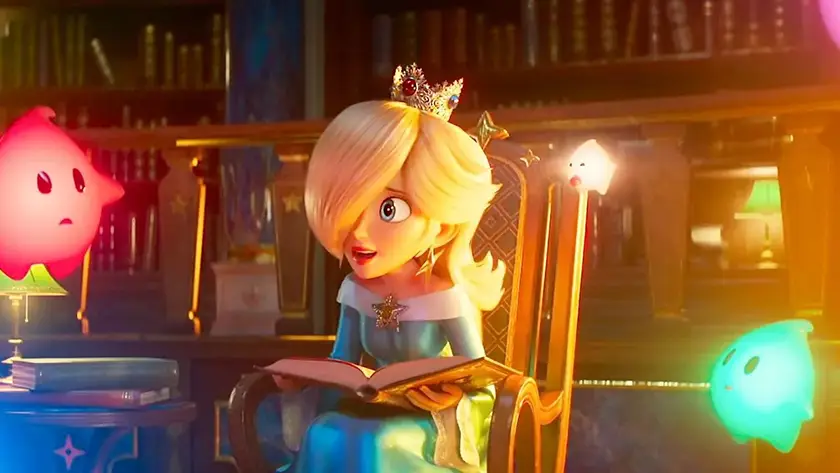
Alright, I can hear people laughing at me bringing this up at all. Everyone accepts that Mario games are extremely light on plot, which means a lot of fans don’t mind the lack of story in the movies either. But whether you agree with the idea that this is a valid excuse for the films to not even try (I don’t), it’s not like the Mario games have absolutely no story whatsoever. We’ve been treated to memorable journeys like Mario getting framed for vandalism in Mario Sunshine, saving Pauline’s festival and rocking out with her in Mario Odyssey, and of course the first Mario Galaxy game with the lore surrounding Rosalina and the Lumas.
As a fan, my ideal movie would combine a few of the games’ minimal plots, make them the main driving points, and expand on the details already present so they work in a feature-length runtime. Instead, The Super Mario Bros. Movie and especially The Super Mario Galaxy Movie mash way too many plotlines all together just for the sake of having more references, with the most egregious being a hybrid homage to Odyssey and Yoshi’s Island in the second film. Even when some story efforts do work, like Luigi’s bond with Mario in the first movie, they’re crammed too tightly in between the other story references around them… including one from a completely different franchise.
Fox McCloud (Glenn Powell, of The Running Man) from the Star Fox games can apparently just show up and briefly turn the Mario Galaxy movie into a commercial for his franchise. I won’t pretend I’m a big Star Fox fan or anything, but I don’t see the appeal of introducing its lore on the big screen in such an abrupt and rushed way. How does it make for either a better Mario movie or a better Star Fox movie if that happens? It’s like shoving Batman, Wonder Woman, and the Justice League into a Superman sequel before setting them up in their own movies- oh wait.
And then there’s the biggest disappointment of all: Rosalina’s role. In the first Galaxy game, Rosalina is given by far the richest backstory of any mainline Mario character… low bar, but still. The #1 thing I’d want to see in a Galaxy movie is a fully realized depiction of that backstory. Instead, she’s given an entirely new origin that’s far less interesting on every level, not to mention underexplored. She’s also barely in the Galaxy movie to begin with and contributes almost nothing. Even Luigi leaves more of an impact when he’s identically sidelined in the first Mario Bros. movie, which itself is already a shame when he’s far better at Mario’s side.
It’s not like an engaging story with sharp, charming dialogue couldn’t be done even with your typical Mario plot. The RPGs of the franchise are famous for having much better stories than the mainline games without straying from the Mario style and tone. Peach even gets things to do while she’s imprisoned in The Thousand Year Door, so why couldn’t Luigi or Rosalina be given something similar when they’re captured? The mainline games don’t focus on storytelling, nor do they need to. But when their adaptations to a story-driven medium can’t even meet that middling-at-best standard, the films have failed harder than my first attempt at Champion’s Road. (If you know, you know.)
How The Mario Movies Adapt The World And Tone
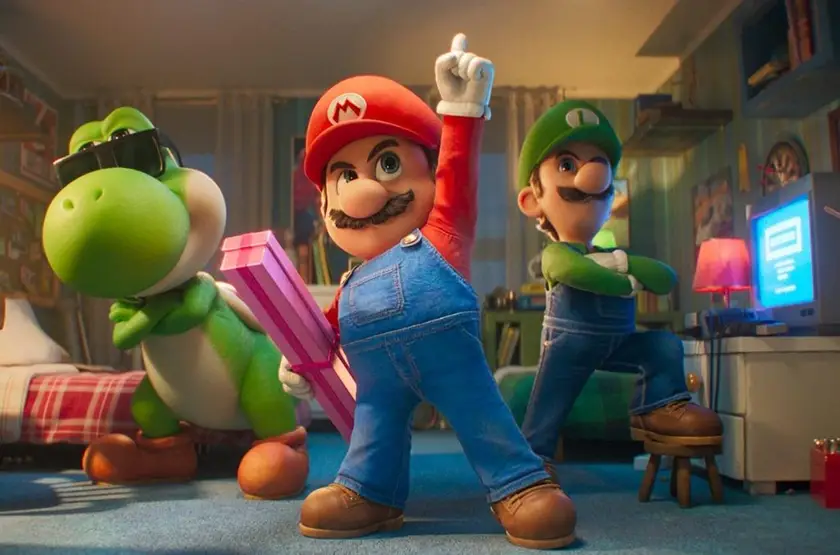
As I and many others have already said, you don’t play Mario for its plot or characters to begin with. You play it for the gameplay – which is obviously nonexistent in a movie – and the rich, colorful world. At a glance, The Super Mario Bros. Movie and The Super Mario Galaxy Movie do that world great justice. From the locations to the obstacles to the constant details, all rendered with stellar animation, the films almost perfectly mimic the games 1-to-1. The first movie even references how us Mario Kart players mash our way through the kart customization because we’re sweaties who’ve already found our favorites.
But for me, the world of Mario isn’t just defined by its look. There’s a very simple, innocent, timeless quality to the tone of the games that’s owed to charming whimsy of the dialogue, old-fashioned roots of the environments, and flexible reality. The same flexible reality that has Bowser trying to kill Mario in one game but then just screw him out of a star in Mario Party. (The latter being far crueler.) The Mario movies, by contrast, try way too hard to be hip and modern by throwing in Illumination dialogue, a more tongue-in-cheek tone, licensed music, and even a memeable song from Bowser. The humor isn’t usually painful, but it has more in common with an average kids’ movie than the one-of-a-kind universe I expect from Mario.
The worlds in these films don’t have enough of a carefree, even abstract personality to suck me into the typical video-gamey environments that are so faithfully adapted from the games, where logic can be damned. Think of a movie like The Wizard of Oz, for example. So much of it doesn’t make pure “logical” sense, but no one takes any issue at all. Why? Because its writing, direction, performances, and even production design are so theatrical and – fittingly given the film’s ending – dreamlike that its loose rules feel right at home. I’ve always seen Mario games as being the same way. It’s not just how the worlds look; it’s also the mindset they put you in.
When the games’ heightened, fantastical tone is swapped out for something I could see and hear in almost any other animated movie, I have a hard time applying the same childlike “just go with it” mentality to its lack of rules. Why there are floating platforms and powerups that Mario and Luigi sometimes know how to use the very first time we see them? Why is there a rainbow road that you can drive on? Obviously, I know why: because that’s how the games work. But copying and pasting these assets doesn’t work when the film’s core is a much more straightforwardly written adventure.
And that’s not even mentioning Galaxy specifically, whose game counterpart has such an aura of majesty and wonder that stands out from other Mario games and should make for instant movie magic. Instead, the Galaxy movie throws that game’s elements under the same fast, irreverent, generically wacky umbrella of everything else. There’s barely even any use of my favorite Galaxy songs like the Good Egg or Beach Bowl Galaxy themes, which are such easy layups for fans in a film designed around easy layups for fans. These movies look and sound like the games I know. But to put it in the most informal way possible, the vibes are off.
Why Does Being A Good Adaptation Matter?
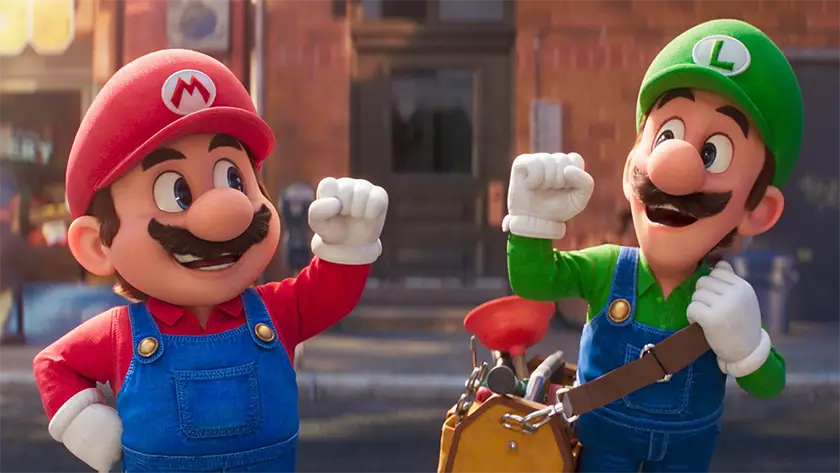
Here’s the big third-act plot twist of all my ramblings: I don’t think adaptations need to be direct copies of their source materials. In fact, I’ve argued that they don’t need to be faithful at all to be good as their own thing and that they often benefit from making major changes. So, why have I spent all this time criticizing the Mario adaptations for failing to properly “represent” the games? Because appealing to fans’ nostalgia for a legacy franchise is clearly the basket in which Illumination and Nintendo are putting all of their eggs. The fan service and faithfulness are constantly cited as the biggest selling points.
I don’t like this approach, but it’s still possible to please the lizard side of my brain that points like Leo DiCaprio at something it recognizes. I’ve knocked the Mario movies for their unfaithfulness because they don’t even succeed on that front. They not only fail to satisfy me as films completely on their own, but they don’t even satisfy me as adaptations of a beloved franchise or even just compilations of shallow fan service. They don’t capture the characters, setups, or worlds that I personally associate with Mario. Or, if they do, they don’t translate well to film like a proper adaptation should.
This may sound extremely counterintuitive, but I may enjoy these Mario movies a bit more if I lived under a rock and knew absolutely nothing about the franchise. I wouldn’t be disappointed as a Mario fan, and I might be more drawn in by the weird, crazy stuff flying everywhere all the time. Not enough to actually like the movies, but enough for there to be more novelty. Again, I don’t need an adaptation to be faithful in the slightest. But if that’s what these movies are aiming for, there’s a world of possibilities – a galaxy, one might say – much bigger than this.
The Super Mario Bros. Movie is now available to watch on digital and on demand. The Super Mario Galaxy Movie was released globally in theatres on April 1, 2026 and is likely to be out on digital platforms in May.