
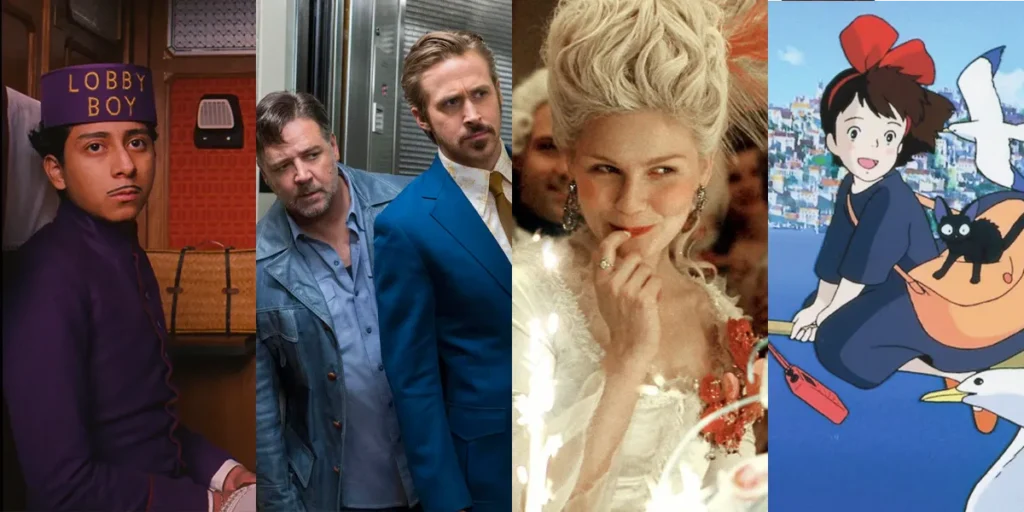
These 10 best movies to watch after a breakup aren’t about heartbreak — they’re about distraction, joy, reinvention, and feeling alive again.
Breakup movie lists tend to recycle the same tearjerkers and rom-coms, but not everyone wants to relive emotional trauma in 108 minutes. Sometimes the best way to recover is to watch something that has absolutely nothing to do with romance: a film that jolts your brain, quiets your heart, or proves that life outside your apartment still exists. These movies aren’t about heartbreak, but they know exactly how to treat it, with laughter, tension, beauty, absurdity, or the comforting rhythm of a story that has nothing to do with you.
These ten picks span genres from pastel-infused biopic to sci-fi satire, from ’90s adrenaline to cozy animation. They’re grounded in the same spirit: when you can’t control your emotions, control your watchlist. Here are 10 of the best movies to watch after a breakup that aren’t about breakups!
10. Kiki’s Delivery Service (1989)
Director: Hayao Miyazaki
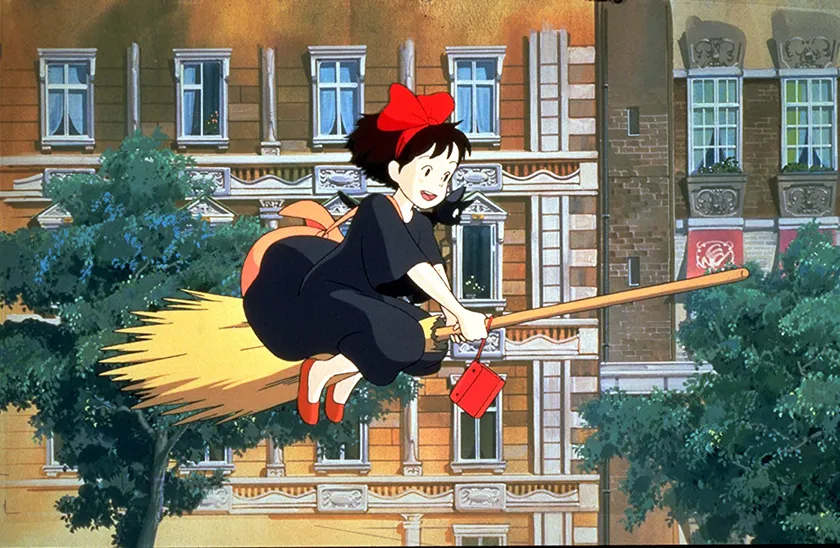
Hayao Miyazaki’s coming-of-age tale follows Kiki, a young witch who leaves home to begin her training and finds herself struggling with independence, burnout, and self-doubt. The film’s gentle pacing and hand-drawn landscapes create a world that feels safe even when its heroine feels uncertain. Kiki’s emotional arc is understated but resonant, capturing the fatigue of trying to prove yourself without losing your spirit.
For breakup recovery, Kiki’s Delivery Service offers something rare: quiet reassurance. Miyazaki understands that growth often happens during periods of loneliness and transition. Kiki’s gradual rediscovery of purpose offers a model for emotional reset that avoids clichés or forced epiphanies. The film suggests that identity isn’t lost in moments of struggle; it’s clarified by them. Life’s next chapter often starts slowly, then unfolds with surprising grace.
9. Galaxy Quest (1999)
Director: Dean Parisot
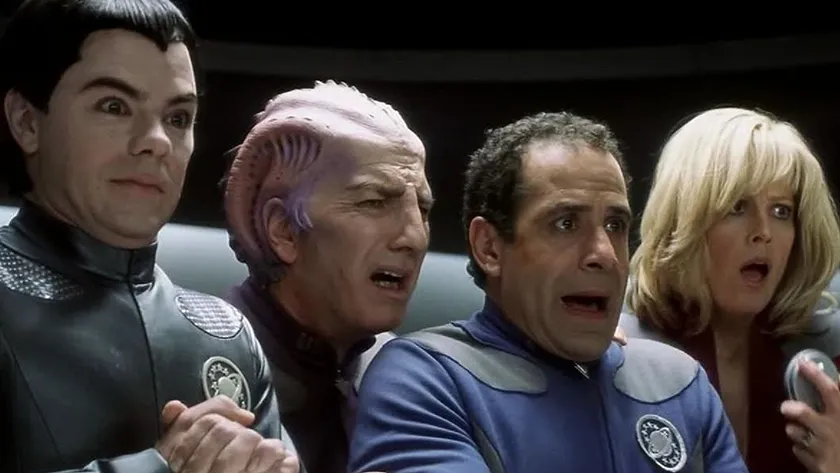
Galaxy Quest succeeds because it treats parody with sincerity. Tim Allen, Sigourney Weaver (Alien), and Alan Rickman (Die Hard) play actors from a canceled sci-fi series who are mistaken for real heroes by an alien race in desperate need of salvation. What begins as satire evolves into a warm, slyly emotional adventure that celebrates fandom while gently skewering show-business absurdity. Parisot balances genre homage with genuine affection.
The film’s optimism makes it one of the best movies to watch after a breakup. It’s funny without cruelty, adventurous without intensity, and heartfelt without melodrama. The characters rediscover purpose by accident, a theme that resonates when life feels stalled. Rickman’s deadpan gravitas and Weaver’s comic frustration add texture, grounding the more fantastical elements. Galaxy Quest is comforting because it’s fundamentally kind, and second chances can come from the most unexpected places.
8. The Nice Guys (2016)
Director: Shane Black
Shane Black’s neo-noir buddy comedy pairs Ryan Gosling (Barbie) and Russell Crowe (Nuremberg) as two mismatched private investigators unraveling a conspiracy in 1970s Los Angeles. The film balances slapstick absurdity with sharp plotting, creating a tone that’s both cynical and, against all odds, strangely optimistic. Gosling’s physical comedy is a highlight, while Crowe plays the straight man with weary charm. Black’s serpentine, sun-baked script revels in misdirection, deadpan humor, and chaotic escalation.
For viewers recovering from heartbreak, The Nice Guys offers the equivalent of hanging out with friends who refuse to let you wallow. Its humor is relentless but human, built on characters who fail upward with endearing unpredictability. Beneath the profanity and pratfalls lies a story about unlikely connection, not romantic or even necessarily bromantic, but restorative in its own way. The world is ridiculous, and sometimes that’s exactly what you need to hear.
7. The Fugitive (1993)
Director: Andrew Davis
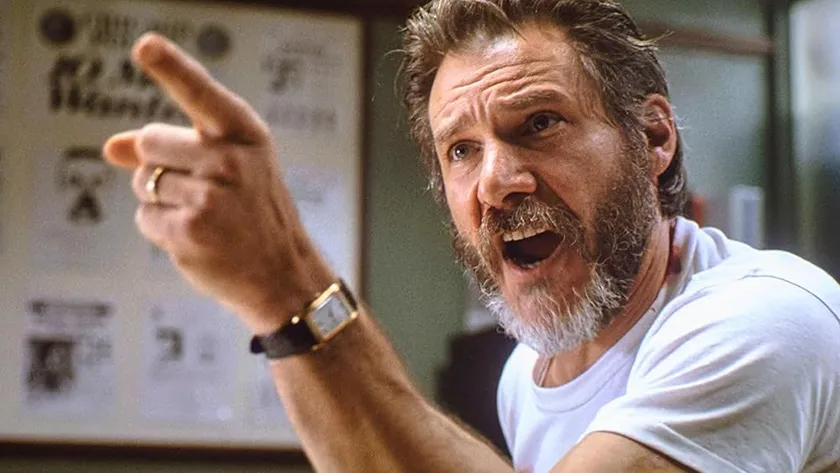
The Fugitive is a taut, impeccably paced thriller driven by Harrison Ford’s haunted performance as Dr. Richard Kimble, a man wrongfully convicted of murdering his wife. Andrew Davis crafts a chase film that feels both intimate and expansive, grounding each set piece in character motivation. Tommy Lee Jones’ Oscar-winning turn as U.S. Marshal Sam Gerard adds unexpected humor and complexity, transforming what could have been a generic blockbuster pursuit into a dynamic duel of wits that is endlessly rewatchable.
Breakup healing sometimes requires total immersion, and The Fugitive supplies that effortlessly. The film’s narrative urgency leaves little room for introspection, pulling viewers into a world where survival eclipses heartbreak. Jones’ dry wit offsets the tension, creating moments of levity between the nail-biting suspense and thorny mystery that keep the film from becoming oppressive. It’s ideal for emotional triage: a story that engages every part of the brain except the one replaying old text conversations.
6. My Cousin Vinny (1992)
Director: Jonathan Lynn
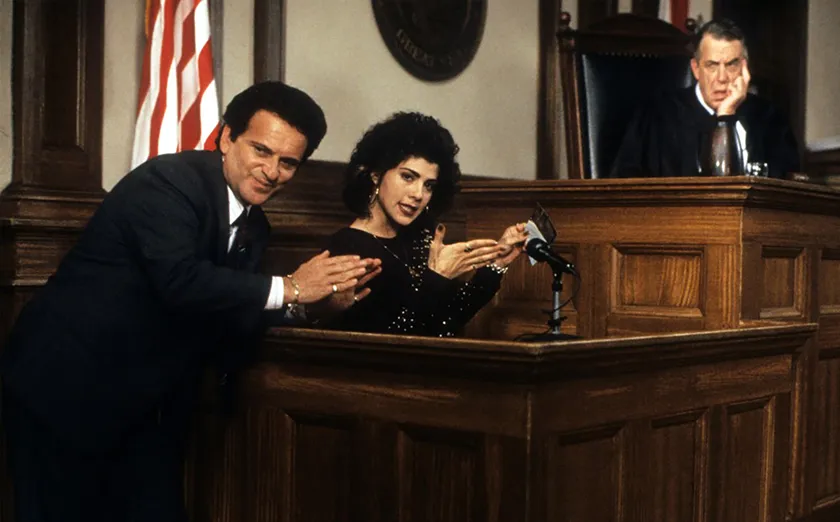
My Cousin Vinny is one of the greatest American comedies ever made, a courtroom farce built on character rather than caricature. Joe Pesci (Goodfellas) plays Vinny Gambini, a lawyer learning trial procedure on the fly as he defends his cousin (Ralph Macchio) in a murder case. Marisa Tomei delivers a star-making, career-defining performance as Mona Lisa Vito, Vinny’s girlfriend whose automotive expertise becomes unexpectedly crucial. The film’s humor is rooted in surgical precision. Every argument, interruption, and exasperated aside lands with rhythmic perfection.
As a breakup movie, it’s ideal because it doesn’t ask for emotional investment beyond laughter. Lots and lots of laughter. Lynn’s direction keeps the stakes real but accessible, creating a story that rewards repeat viewing and frequent quoting of its riotously hysterical dialogue. Tomei’s Oscar-winning work remains a highlight, capturing both comedic brilliance and unapologetic confidence. Fred Gwynne’s dry wit as an Alabama judge should have netted him an Oscar nomination as well. My Cousin Vinny succeeds because it understands tension and release, the same emotional rhythm that heartbreak disrupts. Watching experts miscommunicate hilariously turns out to be surprisingly therapeutic.
5. The Grand Budapest Hotel (2014)
Directors: Wes Anderson
Wes Anderson’s meticulously crafted caper follows hotel concierge M. Gustave (Ralph Fiennes, Conclave) and lobby boy Zero (Tony Revolori) across the fictional Republic of Zubrowka in a story that blends whimsy with melancholy. Anderson’s signature visual precision, including symmetrical framing, ornate production design, and confectionary color palettes, offers a world so stylized it becomes its own form of escape. The narrative is brisk but layered, balancing humor, violence, nostalgia, and loss.
Despite its emotional undercurrents, the film never lingers long enough in sadness to become overwhelming. Instead, it relishes companionship, routine, and improbable loyalty. Fiennes’ performance is a marvel of comedic timing and elegant absurdity, grounding the film’s manic energy in humanity. During heartbreak, The Grand Budapest Hotel works like a cinematic pastry: delicate, lavish, and unexpectedly filling. It’s not about forgetting pain. It’s about giving your mind a world too intricate to dwell on it.
4. The Witch (2015)
Director: Robert Eggers
Robert Eggers’ debut feature is a stark, chilling descent into paranoia and liberation, set among a 1630s New England family banished from their community. Anya Taylor-Joy (Furiosa) gives a breakout performance as Thomasin, a young woman navigating forces both supernatural and domestic. The film’s dread builds gradually, feeding off isolation, mistrust, and unspoken yearning. Instead of offering tidy scares, Eggers crafts a world where fear becomes a catalyst for transformation. Make no mistake, though, Eggers has some dandy frights in his folky, freaky, film.
As a breakup watch, The Witch functions on a metaphorical level. Thomasin’s journey from repression to self-possession mirrors the emotional shift that comes after loss: stepping into a version of yourself you weren’t previously allowed to inhabit. It’s not comfort cinema. It’s catharsis. The film’s final act (and especially its last shot), equal parts terrifying and triumphant, offers an intoxicating vision of personal freedom. “Living deliciously” isn’t a breakup goal, but it’s a surprising breakup mood.
3. Speed (1994)
Director: Jan de Bont
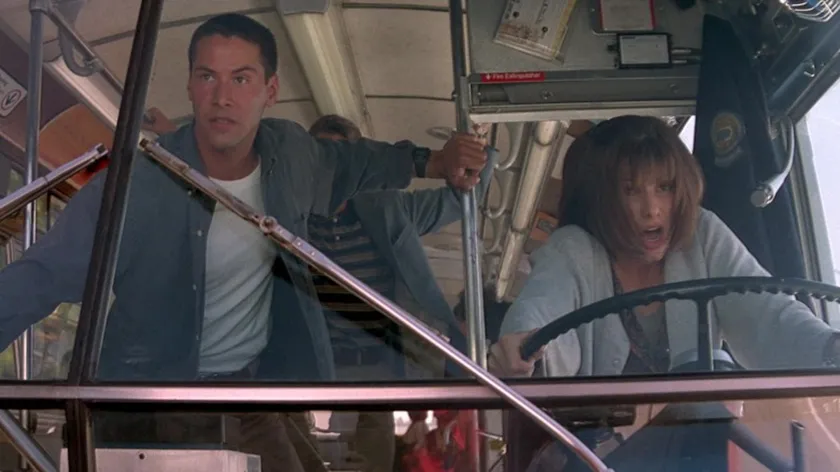
Speed remains one of the purest adrenaline machines of the 1990s, a film that never allows tension to dip long enough for self-reflection, making it ideal for mending a heart wounded by a breakup. Sandra Bullock’s Annie becomes an accidental hero when she has to get behind the wheel of a city bus rigged with a bomb that detonates if the vehicle drops below 50 mph. Keanu Reeves plays the straight-arrow cop racing to defuse the situation, and their chemistry feels organic rather than scripted into a forced-to-be-romantic sense of partnership. Of course, add Dennis Hopper to the mix and it all becomes forged in slight chaos.
De Bont, a former cinematographer, directs with precision, turning Los Angeles freeways into a proxy for emotional therapy in cement and steel. The film’s persistent forward momentum serves as distraction in its purest form, with a plot so tight it barely allows space for personal crisis. Bullock, in the breakout role that made her a household name, balances humor and determination without ever slipping into stereotype. Reeves pried himself out of a beefcake action mold by leaning into it and finding nuances to play with. Speed doesn’t pretend to offer healing, but its relentless pacing has a way of numbing heartbreak long enough to feel like yourself again.
2. Marie Antoinette (2006)
Director: Sofia Coppola
Sofia Coppola’s Marie Antoinette reframes the ill-fated queen not as a historical figure, but as a young woman trapped by expectation and longing for personal freedom. Kirsten Dunst rules the story with a performance that spans curiosity, indulgence, isolation, and rebellion. Coppola saturates the film with dreamy pastel excess, new-wave music, and visual decadence, creating an atmosphere that’s more emotional collage than biography. It’s the rare period film that feels like an interior monologue or a dream board wished into existence.
For breakup recovery, its value lies in sensory immersion. Coppola’s filmmaking celebrates the idea that reinvention can be aesthetic, internal, or both; sometimes you rebuild by changing your world one indulgence at a time. Though the world did (and history has), the film doesn’t judge its heroine’s attempts to curate happiness; it treats them as critical for survival. For viewers in emotional flux, Marie Antoinette offers a reminder that even trapped phases of life can contain beauty, rebellion, and small acts of self-preservation.
1. Romy and Michele’s High School Reunion (1997)
Director: David Mirkin
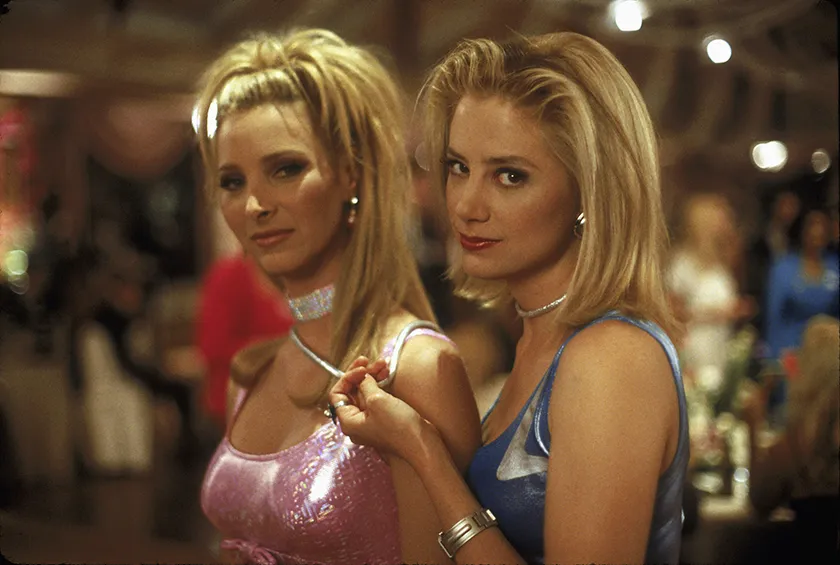
Romy and Michele remains one of the great “reinvent yourself out of sheer stubbornness” films, a comedy that turns daffy delusion into empowerment. Mira Sorvino and Lisa Kudrow play two best friends who return to their high school reunion with a glossy lie about inventing Post-it notes, only to discover that their real strength isn’t reinvention, it’s each other. The film’s bubblegum aesthetic and buoyant tone offer a shot of late ‘90s pop-culture positivity that feels restorative without leaning on sentimentality.
Mirkin’s direction embraces silliness without sacrificing sincerity, allowing the film to function as both a brilliantly funny satire and the best comfort watch imaginable. It was sly casting to get Oscar winner Sorvino and Emmy winner Kudrow (both known for their impressive educations before coming to Hollywood) to star in a movie about two women never known for their brains. However, Sorvino and Kudrow play their characters with infectious commitment, giving emotional weight to a story built around dance sequences and extended daydream montages. This isn’t a breakup movie, but its message resonates during heartbreak: the right people don’t need you to be impressive, they just need you to show up.