
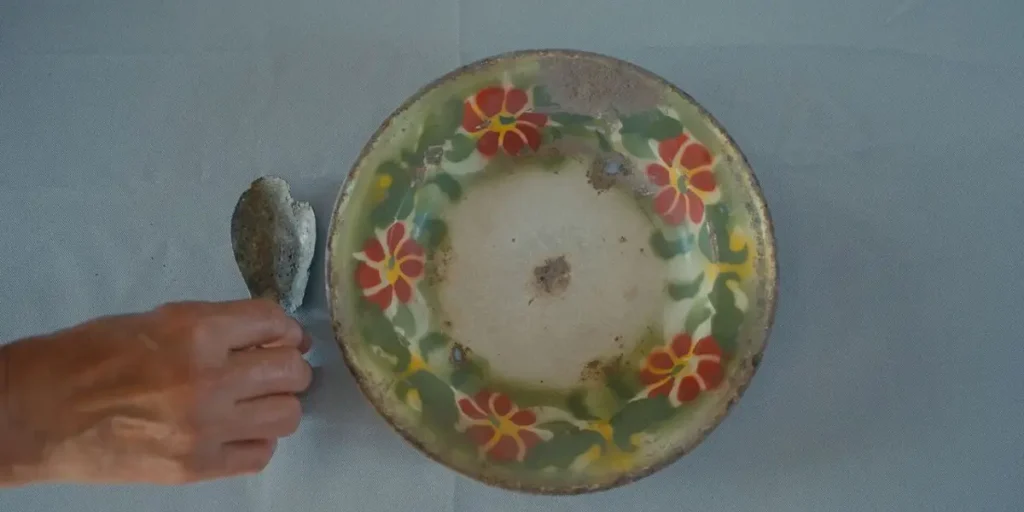
Andrew Neel’s How to Feed a Dictator is a masterful analysis of human behavior, world politics and life under an authoritarian regime.
Director: Andrew Neel
Genre: Documentary
Run Time: 95′
Tribeca Premiere: June 10, 2026 (Spotlight Documentary)
U.S. Release: TBA
U.K. Release: TBA
In many cultures around the world, cooking is an act of love. Putting in the time and effort to feed someone, and ensuring they’re nourished properly and hopefully satiated is a meticulous, intentional act. In 2019, Polish journalist Witold Szabłowski used the intimate act of cooking a meal for someone to analyze and contextualize some of the most abhorrent dictators of the 20th century.
Andrew Neel’s adaptation of Szabłowski’s novel of the same name, How to Feed a Dictator, masterfully brings one of the most humane and introspective analyses of survival under an authoritarian regime to life.
Neel’s How to Feed a Dictator brings audiences across several countries to meet the private chefs who served under Saddam Hussein, Idi Amin, Pol Pot, Augusto Pinochet and Kim Jong-il. The story of each dictator’s reign is set against the backdrop of these chefs who knew these men in a uniquely intimate way. All the chefs found their way into these dictators’ service through varying avenues.
Ermanno Ferlanis was flown in from Italy to make pizza for Kim Jong Il, Jorge “Coco” Pacheco made a meal for Augusto Pinochet at his world-renowned restaurant before earning the role of his personal chef and Keo Samoun was recruited by the Khmer Rouge to serve as a soldier at age 6 under Pol Pot’s dictatorship in Cambodia. Neel creates a captivating analysis of authoritarian rule by weaving the story of the rise in ranks of these chefs against the political context informing how these leaders came to power.
How to Feed a Dictator’s brilliance comes from the conversation it creates about complicity, its dissection of humanity in the face of evil and its constant juxtaposition between the visually calm and controlled kitchens of these chefs as compared to the atrocities the dictators they worked for committed. This focused angle of analysis on an authoritarian regime proves so powerful because it looks at what the everyday, unexplored sanctions of the leadership look like for someone under their rule.
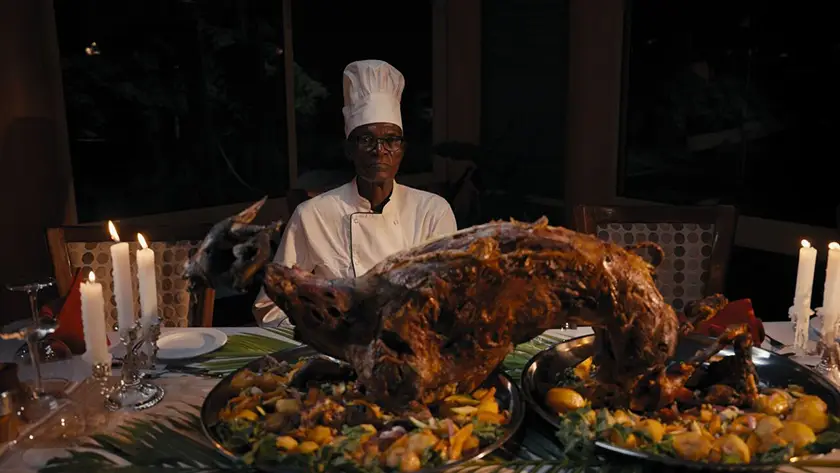
The chefs who are part of the project vary in their stances on the leaders they served, from knowing yet powerless victims to supporters who are still loyal to these causes to this day. Neel’s film holds the chefs who still actively maintain the values of their former employers accountable, but not without trying to understand why someone could possibly support a leader who is so widely acknowledged as a monster.
Neel’s approach doesn’t read as empathy, but rather pure curiosity. The angle of the approach to dissecting these regimes takes away the mystique around these leaders in order to look at them at their most human level. It reveals the charisma that followers of these leaders saw and the weakness in the preexisting governance that the dictators were able to take advantage of to leverage political power.
The magic of the How to Feed a Dictator comes from Neel’s push to question the subjects of his documentary on their part in the enforcement of oppression, their knowledge of the crimes their government committed and the sometimes luxurious lives they lived while the rest of the country was starved or imprisoned. The film perfectly balances aspects of human interest and political analysis to create a captivating and compelling historical time capsule of some of the most notorious 20th-century authoritarian regimes.
How to Feed a Dictator (Tribeca 2026): Movie Plot & Recap
Synopsis:
Five private chefs to some of history’s most notorious dictators detail their experiences serving in their leaders’ regimes.
Pros:
- Unbridled access to first-hand witnesses of some of the most volatile authoritarians to date.
- A wildly unique and fascinating approach to political filmmaking.
- A bold analysis on how people become complicit under authoritarian rule.
Cons:
- None to name.
How to Feed a Dictator premiered at the Tribeca Film Festival on June 10, 2026.