
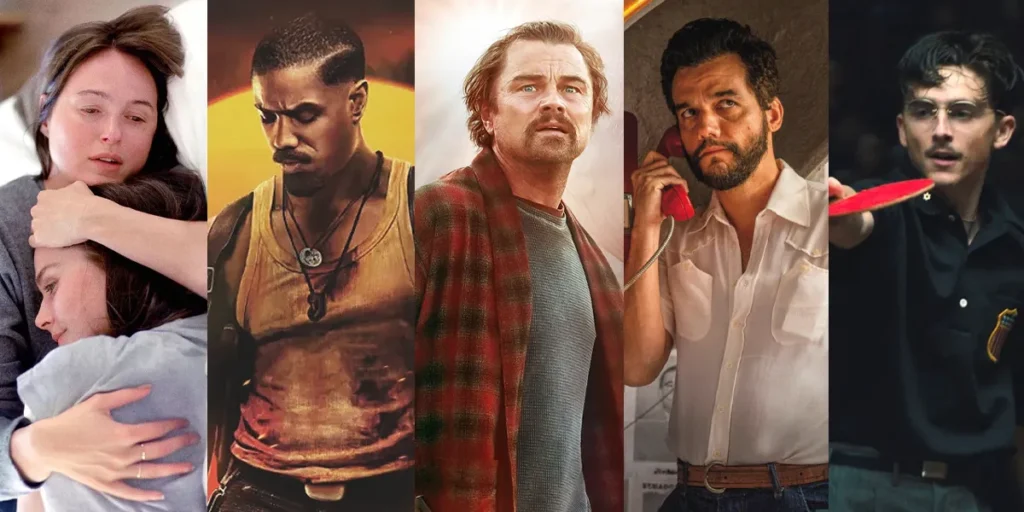
Loud And Clear Reviews ranks the top 20 best movies of 2025 from worst to best in this list of top films of the year, from popular hits to lesser known gems.
It’s never easy to pick the best movies of a year, but it was especially difficult in 2025, when so many gems captured the Loud and Clear Reviews team’s interest in different ways. We loved so many films this year, and each of us had a different favorite, but the final list reflects our tastes, summing up another fantastic year of movie watching. Our list of 20 best movies of 2025 comes from the votes of 29 of our writers, and also takes into consideration the reviews we posted on the site this year. Not everyone was able to see all of this year’s releases.
Our list only includes movies that had their first U.S. or U.K. release or FYC screening in the year 2025, not counting film festival debuts. Keep scrolling for our list of top 20 best films of the year, click on the links to read our reviews, take a look at the honorable mentions at the end, and and don’t forget to check out our writers’ individual top 10 lists!
20. Weapons
Director: Zach Cregger
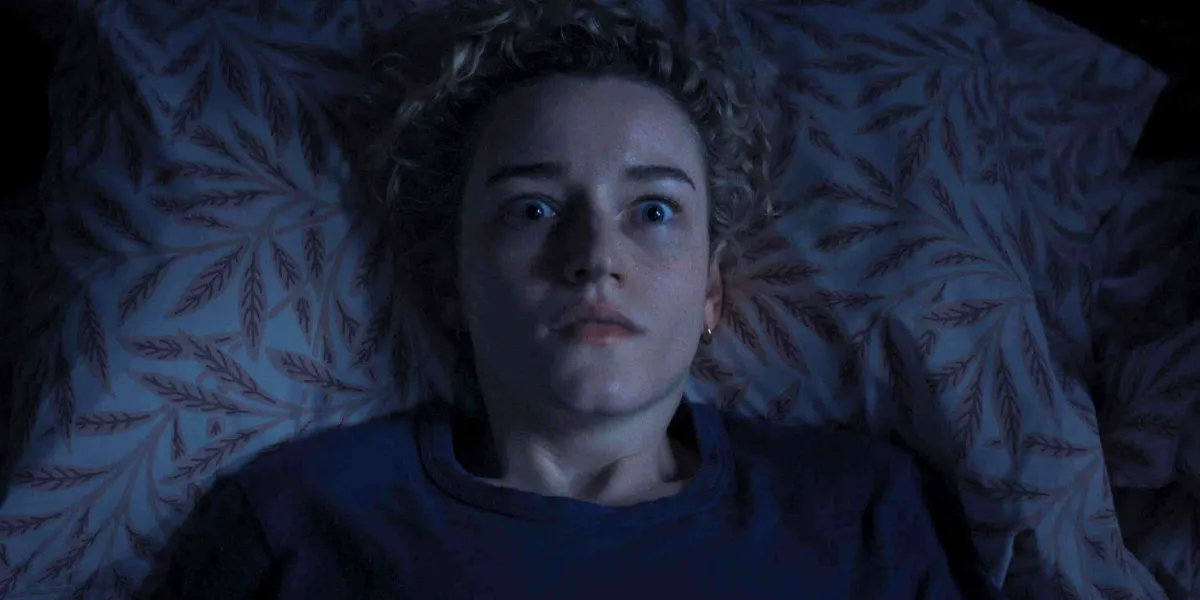
Zach Cregger’s Weapons arrived with enormous expectations after Barbarian announced him as a horror filmmaker to watch. Somehow, he exceeded them. This sprawling Pennsylvania nightmare, centered on the simultaneous disappearance of seventeen third-graders, plays like Stephen King by way of puzzle-box storytelling, weaving together a grieving father (Josh Brolin), a blamed teacher (Julia Garner), and a troubled cop (Alden Ehrenreich) into something genuinely unsettling.
Weapons is an impressively made film, even by genre standards. Larkin Seiple’s cinematography bathes the town in bruised blues and soft greys, while the Holladay brothers’ score pulses beneath the surface like a buried heartbeat. Editor Joe Murphy knows exactly when to linger on disturbing imagery and when to cut it into jarring flashes that rattle your nerves. It’s scary filmmaking that takes aim and rarely misses.
But let’s talk about Amy Madigan. Her flame-haired nightmare figure, Gladys, deserves a permanent seat in the horror villain pantheon. She goes full tilt in a role demanding both mystery and menace, shifting into territory that will have you white-knuckling your armrest. The performance has “iconic” written all over it, and her likely Oscar nomination feels less like a surprise than an inevitability—further proof that prestige horror offerings in 2025 like Frankenstein and Sinners continue pushing the genre into awards conversations.
Weapons isn’t flawless, but its ambition and execution cement Cregger as a director just getting started. The result is a film that’s scary, strange, and surprisingly soulful. (Joe Botten)
19. Friendship
Director: Andrew DeYoung
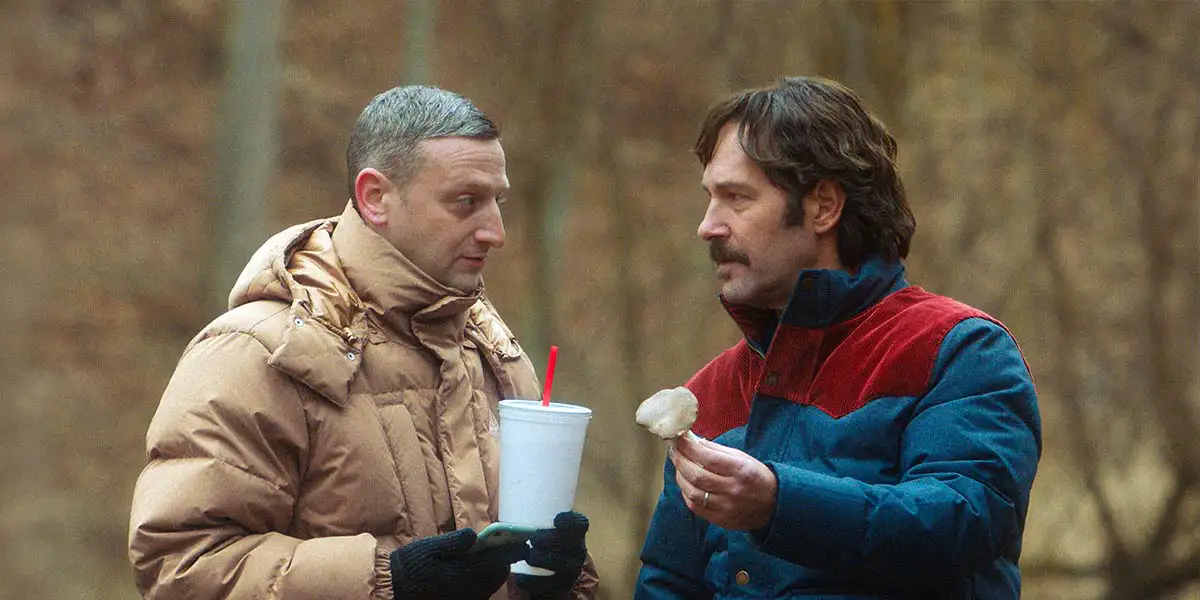
Few genres are as subjective as comedy, but if you’re on board with Friendship’s surreal character study, it may be the funniest big-screen laugher you’ve seen in years. This may be easier for those familiar with the subversive stylings of its star Tim Robinson, with many scenes that would fit right at home in his series I Think You Should Leave. Andrew DeYoung’s debut feature is a masterclass in absurdly subverting social norms around male friendships.
Robinson plays Craig, a reasonably happy suburbanite who just lacks some relatable male company. When the charismatic Austin (Eveybody’s bestie, Paul Rudd) moves into the neighbourhood, Craig thinks he may have a new friend, but Friendship piles on the awkward surreality to show him that isn’t the case. From subterranean field trips, to unlikely sing-alongs, to the weirdest trip to SubWay ever, Craig learns that finding a friend and keeping a friend are very different processes.
Friendship’s humour is decidedly oddball, but the feelings of desperation for connection that it skewers are painfully relatable. It also helps that DeYoung’s script doesn’t put all the blame on Craig for his own isolation. Robinson is a hilariously agitated guide through a heightened reality, albeit one that reflects the difficulty of connecting in the digital age. Kick back, pick up a beer/toad, and let Friendship remind you that friends are like gold: valuable, hard found, and often perilous to hang on to. (Philip Bagnall)
18. Eephus
Director: Carson Lund
Read Also: Interview with Carson Lund & Keith William Richards on Eephus
‘You can tell when it’s an eephus. It stays in the air forever… an eephus makes him lose track of time. It’s pretty mean that way.’ In Carson Lund’s Eephus, a film following a small-town baseball team through its final season before the demolition of their pitch, the eephus pitch becomes a metaphor for the often slow, sometimes frustrating, frequently heartbreaking, yet constantly captivating rhythms of the great American pastime and those who devote their lives to it.
Deliberately retro in its 1990s Massachusetts setting and narrative framing – the local radio host commenting on life around and outside baseball while the Adler’s Paint and Riverdogs trundle towards their final showdown – Eephus gently sends up those whose lives centre on the diamond while knowing there are few purer loves in the world. A paean to community connection and the small things lost in the necessary ravages of time, Eephus fills its viewers with love and nostalgia through the humour, humanity, and warmth with which it imbues this one last hurrah. (Carmen Paddock)
17. Blue Moon
Director: Richard Linklater
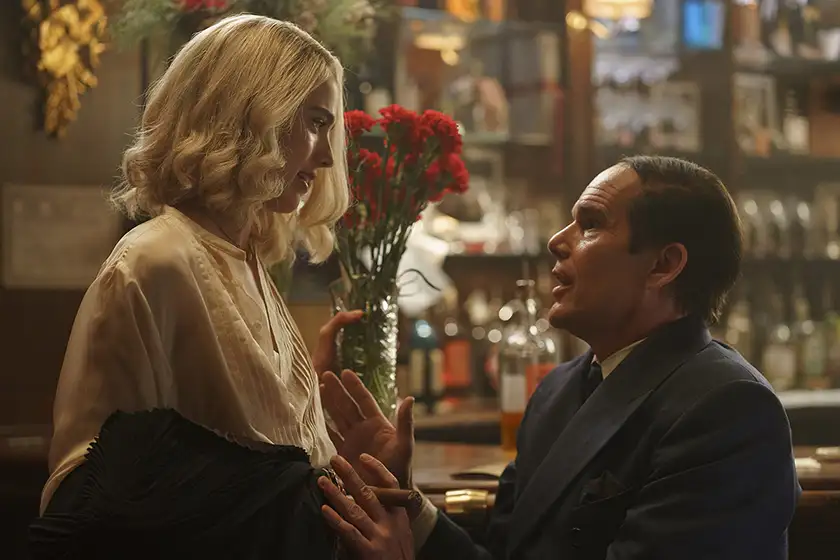
After decades of spotlighting Ethan Hawke as a scene-stealing charismatic talker, Richard Linklater has, on their ninth film together, literally cut him down to size. As the diminutive lyricist Lorenz Hart, Hawke is still the most interesting guy in the room, but he’s been stripped of his quarterback self-assurance. Here, he doesn’t get the girl. It’s a verbal marathon of a performance all but guaranteed to be recognised by the Academy, not least for how unselfconscious it is. How many other characters has Hawke played who can confidently be considered pathetic?
Hart is having a bad night. His creative partner, Richard Rodgers (Andrew Scott), working with Oscar Hammerstein II (Simon Delaney) instead, is about to reach new heights with Oklahoma! The romantic apple of Hart’s eye, Elizabeth (Margaret Qualley), doesn’t see him that way. Spilled all over the bar is his newfound sobriety. The film begins with Hart collapsing in the street, only to flashback to this evening some months earlier; from bad to worse.
Linklater, armed with Robert Kaplow’s theatrical script, can’t help drum up affection for the sad-sack genius Hart. Hawke plays him emotionally naked and sincere. He’s in the gutter looking at the stars, and he can’t see anything past his wildest dreams. If only he’d stop acting as if the world existed entirely to entertain him.
Great tragedies come from great losses. Evidence of what Hart was capable of will survive forever, but Blue Moon imagines the unwritten pages of lyrics taken away too early. He’s a real wit here, in front of a shot glass, the last place he ought to be. But, goodness, he is great company. (Scott Wilson)
16. Sound of Falling
Director: Mascha Schilinski
In a way, every story is a ghost story, each one a haunting of the past and its characters the ghosts of real people. The ones curating these stories make us feel the presence of what isn’t there, no matter how much time passes, whether it’s thirty years or four months. And one of the best ghost stories of 2025, Mascha Schilinski’s Sound of Falling, is also the most visionary and carefully pieced together.
Schilinski tells the tale of four generations of women and their traumas living on the same farm, unfolding through time and memory while evoking the ominous and melancholic sensations rooted in their experiences. Their lives echo across the decades; each woman leaves behind an imprint that the next is forced to inhabit and reinterpret. It is a hard film to approach, as the German filmmaker makes it difficult for the audience to decipher the story or latch onto a single emotional anchor, refusing to comply with conventional narrative structures. The film does not offer answers or moments of catharsis. Schilinski leaves us unsettled and wandering through a fog of inherited sorrow.
Sound of Falling turns pain into poetry and memory into myth, in doing so becoming one of the most haunting and enduring cinematic experiences of the year, standing apart in a landscape often dominated by immediacy and spectacle. (Héctor A. González)
15. Frankenstein
Directors: Guillermo Del Toro
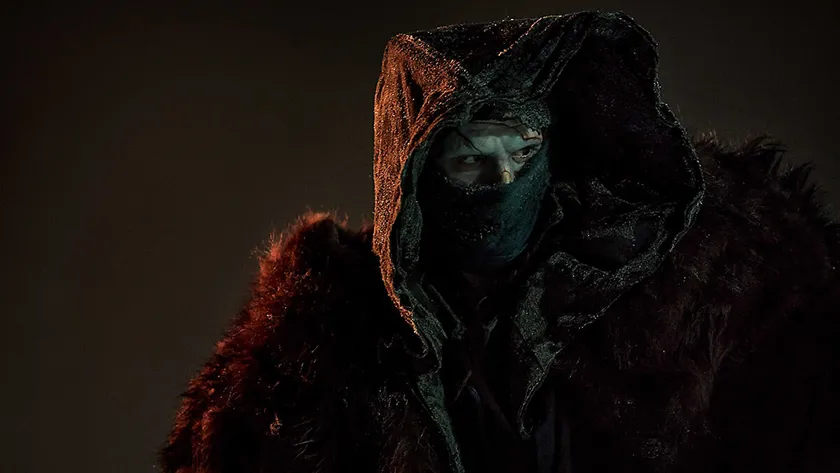
Guillermo del Toro’s gothic adaptation of Mary Shelley’s Frankenstein is a triumph of visual storytelling, from its meticulous costuming to its richly textured production design. But beneath the ornate surface lies a tender coming-of-being tale, steeped in romance and anchored by a star-making turn from Jacob Elordi as the Creature.
Elordi impresses in a role that could have easily collapsed into physical spectacle alone. While the practical makeup and his imposing six-foot-plus frame lend immediate gravitas, it’s the nuance of his performance that elevates the character. He delicately balances the Creature’s newborn curiosity—wide-eyed and tentative—with a later transformation marked by a harsher voice and a piercing stare, as self-awareness curdles into vengeance.
Ultimately, Frankenstein uses gothic excess to illuminate the fragile, often brutal process of becoming human. (Isabella Liistro)
14. My Father’s Shadow
Director: Akinola Davies Jr.
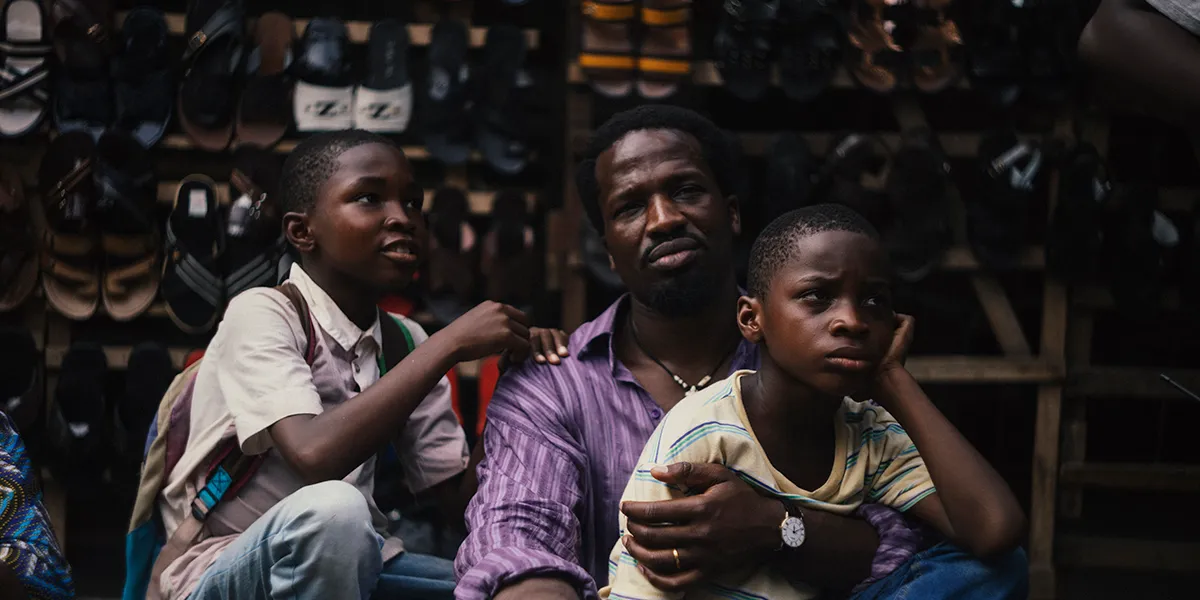
“The memories that cause you pain when someone leaves are the same ones that will comfort you later.” That becomes the pivotal line in Akinola Davies Jr.’s My Father’s Shadow, set in 1993 and in a Nigeria on the precipice of a major election. There is a certain complex energy in the city, a newfound sense of hope for the future but also a foreboding tension that Davies Jr. builds and builds throughout the course of his vibrant, intimate and deeply personal debut.
Co-written with his brother Wale, My Father’s Shadow is a film full of political and personal uncertainties. The manifests itself in the form of two brothers Remi and Akin (Chibuike Marvelous Egbo and Godwin Egbo, both compelling) as they spend the day with their absent father Folarin (Ṣọpẹ́ Dìrísù) and gradually come to understand how flawed and wounded an individual he is. Dìrísù does an incredible job with his performance, slowly revealing layers of emotion and loss from Folarin’s past. Yet it is Davies Jr.’s confident direction, his eye for detail and richly realised settings, that is the most remarkable thing about My Father’s Shadow. And it leads to an emotional conclusion that confirms just how comforting the memories of this time will be for Remi and Akin. (Daniel Allen)
13. Hamnet
Director: Chloé Zhao
Hamnet is one of the year’s most nebulous films, which is likely the cause of its polarized response. It’s a loose dramatization of the marriage of William Shakespeare (Paul Mescal) and Agnes Hathaway (Jessie Buckley), and the events that inspired the now legendary play “Hamlet.”. The first half, though, may seem aimless initially. It establishes Agnes as having experienced all forms of love, hardship, and isolation, musing over her own place in her husband’s more “civilized” world. But there’s no concrete understanding of what the movie’s going for, or why so many pieces are established. Halfway through, however, Hamnet transforms into a tribute to not just the play, but what the play represents.
A tragedy spurs on existential crises in Agnes and William that throw the very meanings of their existences into question, with Agnes looking destined to be left behind in her grief. Only for her playwright husband to honor and immortalize their pain as something beautiful, giving it profound purpose and closure. He does so in the single greatest, most heartstring-tugging ending in a film all year that puts everything beforehand into perspective. Hamnet is also a must-see for the powerhouse performances of Buckley and (eventually) Mescal, the fittingly stage-like cinematography of Łukasz Żal, and the devastatingly gentle score from Max Richter. If the film underwhelms you for a while, just bear with it. It’s all worth it for the incredible payoff. (Joseph Tomastik)
12. Sorry, Baby
Director: Eva Victor
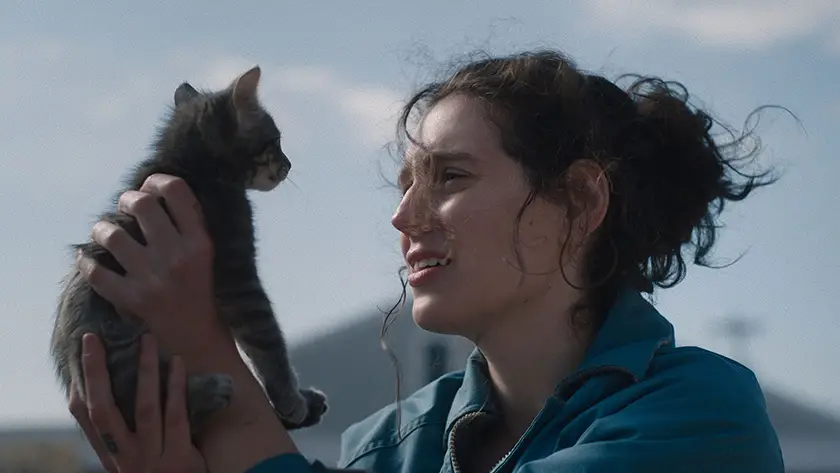
There’s usually one film that comes from out of nowhere all the way into my year end top ten and in 2025, that was Eva Victor’s Sorry, Baby. Victor directs, writes, and stars as Agnes, a young woman struggling with depression in the aftermath of being sexually assaulted. This film handles a difficult subject matter with tons of respect for anyone who has been through it and manages to throw in some light humor along the way. Victor doesn’t shy away from how difficult something like this can be and their performance will turn you to a big, blubbering puddle of tears.
What makes it so beautiful is we see Victor capture emotions with ease and, as Agnes finds reasons to hope when the world can be such a dark place, this relief will wash over you. It’s also very impressive that their writing/directorial debut feels so lived in and real. One continuous shot in particular is so tragic, but it manages to capture the dread you’d feel after any traumatic event. Things aren’t always going to be perfect, but the least we can do is be there for each other, and that message helps make Sorry, Baby one of 2025’s best films. (Branyan Towe)
11. Jay Kelly
Director: Noah Baumbach
Jay Kelly looks like a low-key dramedy about a movie star, but it’s really a film about regret sneaking up on you. Co-written by Noah Baumbach and Emily Mortimer and directed by Baumbach, it follows aging actor Jay Kelly (George Clooney) as he wanders through Europe with his longtime manager and friend Ron (Adam Sandler), trying to make sense of where his life ended up after a run of personal and professional losses.
On paper, it’s about fame, legacy, and Jay attempting to reconnect with his daughter before he feels it’s too late, but what it’s actually circling is loneliness and what happens when your whole identity was built around being seen. Suddenly, the spotlight feels brighter than it has ever been. Clooney gives one of his most open performances, playing Jay as someone who knows his charm still works but is clearly scared of what’s waiting once it doesn’t. Sandler is excellent here too and at the top of his game. The way he brings warmth and history to Ron is so impressive; their friendship feels very lived-in, and honest in a way that never feels fake. Baumbach keeps the writing simple and observant, letting regret show up in glances and through flashes of the past, almost told entirely from memory.
Life is so incredibly complicated and Jay Kelly feels like it was speaking directly to the viewer; it’s a film about fathers, missed chances, and the very human wish to go back and do things differently. It sticks with you and breaks your heart, and that is exactly why it deserves a spot among the year’s best. (Roberto Tyler Ortiz)
10. Sirāt
Director: Oliver Laxe
Sirāt is a film that achieves what few are able to do: be truly, earth-shatteringly shocking. It’s an explosive drama that demands to be seen with a crowd so you can all experience together the journey of Luis and his son Bruno, who roam the rave circuits of Northern Africa in search of their missing daughter. Along the way they pick up a ragtag group of ravers that you can’t help but love. It’s a story of found family, but at the same time it’s also about the randomness of death.
Featuring a booming score and stunning cinematography, director Oliver Laxe’s film is one of the best examples of a movie that should be seen with no spoilers beforehand, and includes an inciting incident that needs to be seen to be believed. Sirāt features some of the best casting of the year, mixing established actor Sergi López with the debut performances from all of the ravers. Each and every performance given is utterly magnificent, fully conveying the perfect amount of grief and despair on their journey across the Sirāt straight. Make sure to watch it loud and with a crowd, and you’re guaranteed to exit the screening with your jaw still on the floor. (Jordon Searle)
9. Resurrection
Director: Bi Gan
One of the best films of the year but also one of the hardest to put into words, Resurrection is the crowning achievement of Bi Gan’s career so far. Only three years separated his first two films, Kaili Blues (2015) and Long Day’s Journey into Night (2018), so Resurrection’s arrival some seven years after his second feature meant expectations were high. Thankfully, they were resoundingly answered with what is one of the most transportative and enthralling cinematic experiences of 2025.
Both Bi’s first two feature films hinted at the makings of a special filmmaker; the latter, in particular, boasted one audacious 59-minute unbroken long take. There was still a sense of style over substance, however, but with Resurrection, these minor shortcomings have been blown away.
Structured into six chapters that span a multitude of universes, both factual and dream, Resurrection is a dense and complex film that simultaneously charts the evolution of cinema and the history of China. The endlessly inventive visual style broadens the possibility of what filmmaking can achieve for the viewer. The amount to unpack is gloriously overwhelming and solidifies the fact that multiple rewatches will be just as rewarding as the first, if not more so. The fact that watching Resurrection numerous times is almost a requirement can only be a good thing. (William Stottor)
8. It Was Just an Accident
Director: Jafar Panahi
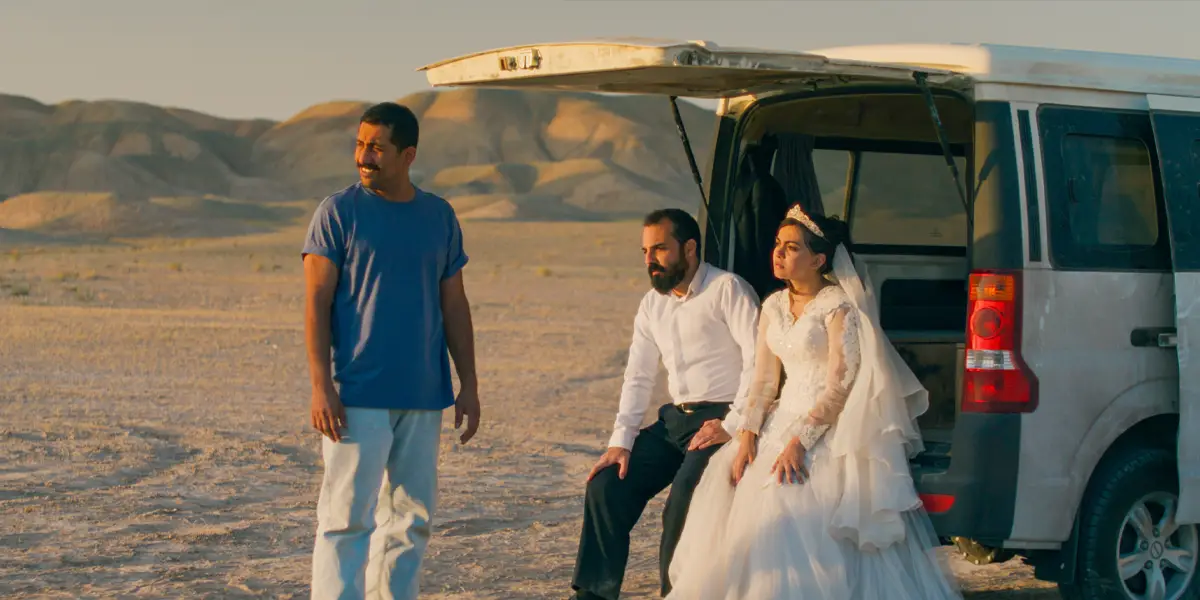
It Was Just an Accident may be 106 minutes long, but it feels like half an hour at best. Thanks to its poignant social critique, sharp dialogue, and excellent chemistry between the main actors, this movie will have its audience at the edge of their seat until its brilliantly delivered final scene.
Vahid, an Azerbaijani auto mechanic, runs into a man with a prosthetic leg whom he believes to be Eghbal, the man who tortured him when he was in prison, but the man denies this. To make sure of his identity before taking further action, Vahid enlists the help of other former prisoners.
The group struggles to decide whether the man is Eghbal at all, but they also disagree on what should happen to him if he does turn out to be their torturer. This sparks a compelling debate amongst the five characters on how to face such a traumatic shared past and what, if any, punishment should be reserved for someone who inflicted so much pain. Should revenge be taken on him at all? And if so, is it up to the individuals in a system that’s clearly corrupted and favours individuals like Eghbal? It Was Just an Accident does not give us any clear answer on the matter; instead, it invites viewers to ponder these questions, just like the protagonists of the film do.
Its social commentary against the Iranian government is clear and poignant, so much so that the director had to film this movie in secret. And yet its reflection on authoritarian regimes can easily be exported across the Iranian borders and speak to some of the current leadership in the Global North as well. Jafar Panahi’s It Was Just an Accident is easily one of the most remarkable and memorable films of 2025. (Clotilde Chinnici)
7. Train Dreams
Director: Clint Bentley
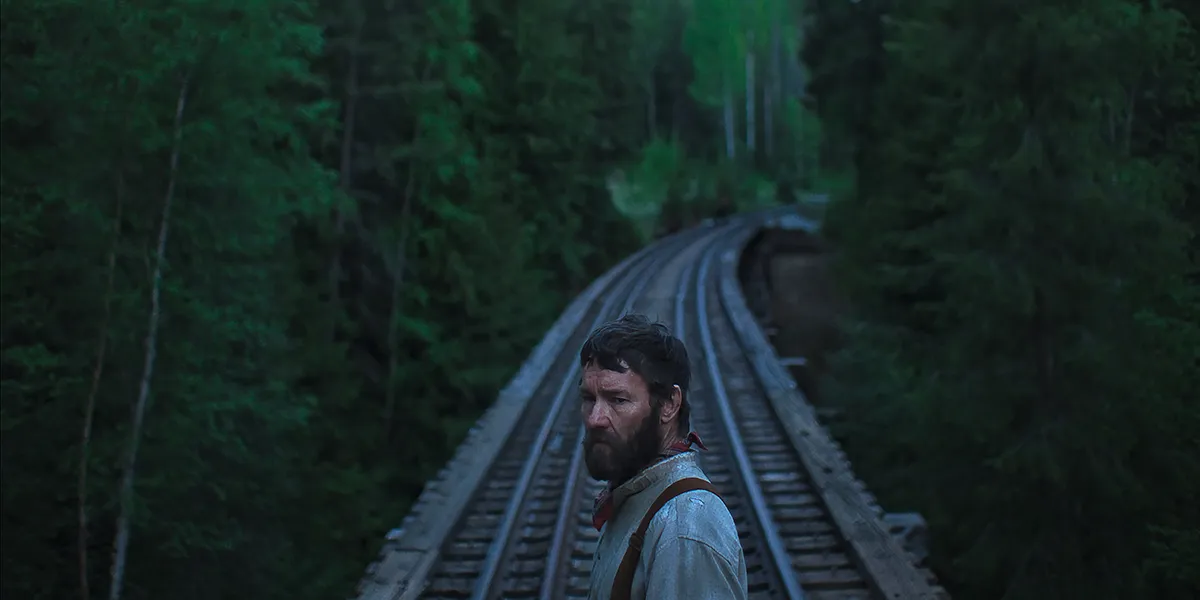
Clint Bentley’s sophomore feature Train Dreams is one of this year’s greatest stories about love and loss. With only a limited release run in cinemas, this straight to Netflix drama didn’t get the appreciation it deserved: everyone should have had the chance to see this on the biggest screen possible.
Joel Edgerton delivers a career best performance as Robert Grainer, a railroad builder turned logger in early 20th century Idaho. We spend 102 viscerally beautiful minutes following the life of Grainer as he experiences the highs and lows of his 80 years on earth.
It’s a portrait of an everyday man, but the authenticity of the feelings he experiences make it even more special. We all feel the spectrum of how grief can manifest itself into day to day life, and Train Dreams’ portrayal of these emotions can make us understand our own anguish. It also helps that it has some of the most beguiling cinematography of woodland and sunsets galore from Adolpho Veloso.
Whilst Edgerton is a breathtaking lead, a supporting performance from Felicity Jones as Grainer’s wife is a standout, too. And a voiceover throughout from Will Patton may just make you want to call him up to narrate your own life if it’s ever turned into a biopic. (Bethany Lola)
6. No Other Choice
Director: Park Chan-wook
Park Chan-wook’s No Other Choice might be more relevant than ever in 2025, as many people around the world struggle to find jobs in an increasingly competitive economy. In Man-su’s case (Lee Byung-hun), his world comes crashing down after an American company acquires the Korean papermaking firm where he has worked loyally for 25 years and subsequently lays him off. In his search for employment, he interviews at another papermaking company. When the meeting doesn’t go to plan, and believing himself to be the most qualified candidate, he devises a plan to eliminate his competitors in order to secure the position he so desperately seeks.
This marks the third collaboration between Park Chan-wook and Lee Byung-hun, and it was well worth the wait. From the highly technical editing to the striking cinematography and a nomination-worthy lead performance from Lee Byung-hun, No Other Choice delivers in every way you would hope for and expect from a Park film. Darkly funny and cynical, the film has a lot to say about how easily people can be rendered disposable, particularly as they grow older. It balances its social commentary with just enough humor, while making its harsh observations engaging and deeply unsettling. No Other Choice is cinema, and one of 2025’s absolute best. (Emma Vine)
5. The Secret Agent
Director: Kleber Mendonça Filho
Read Also: The Secret Agent: Ending and True Impact Explained
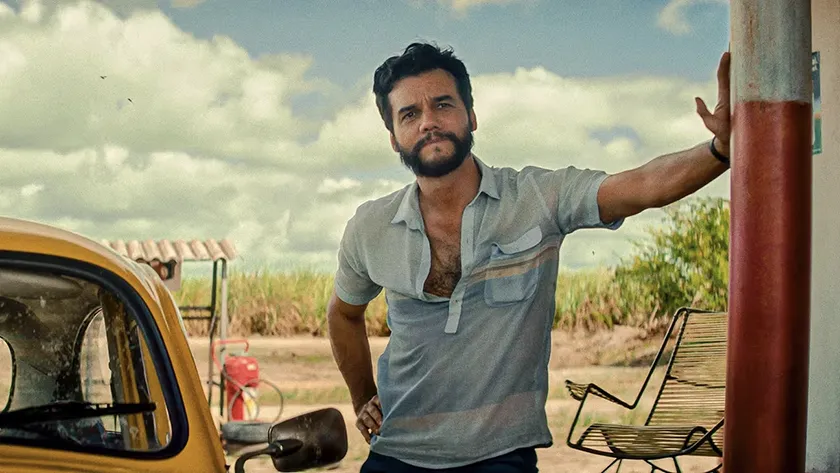
The Secret Agent is quite typical of the political cinema of 2025, in that it initially promises an epic tale of rebels vs oppressors, but soon evolves into a more personal odyssey. In 1977, at the height of Brazil’s military dictatorship, fugitive Marcelo (Wagner Moura) – or should that be Armando? – works in a government office responsible for ID documents, all the while planning to reunite permanently with his young son and, when things get more perilous, escape the country.
In an early scene, a policeman mistakes Marcelo for a fellow officer, believing him to be undercover; in this reality, everyone is in the business of hiding and revealing identities. Set during Carnival season, whose elaborate costumes and street parties are conducive to disguise and disappearance, The Secret Agent coats its storytelling in countless layers of euphemism, irony and understatement, best exemplified by the description of the period as ‘a time of great mischief’ in the opening titles.
A card-carrying cinephile, Mendonça Filho also uses 70s generic conventions to mask his story in misdirection. A B-movie horror homage in which a reanimated severed leg goes on a murderous rampage is the best example of his singular melange of humour and tragedy, whereby lavish absurdism conceals a venomous truth.
Then there’s the astonishing central performance from Moura, who, as Marcelo navigates a web of identity and deception, deftly excavates the ever-multiplying facets of his character’s psyche and indeed that of his nation. Building on the momentum of last year’s more staid I’m Still Here, The Secret Agent’s success bodes well for both Brazil’s continuing reckoning with its dark past and for its cinema’s bright, multifarious future (Louis Roberts)
4. Sentimental Value
Director: Joachim Trier

Joachim Trier’s Sentimental Value is unlike any other dramas I’ve seen recently. Instead of being content with turning into a predictable tearjerker, it develops its emotional situations gradually, allowing its characters to breathe and consider their circumstances with relative calm. And through its unpredictable narrative, it manages to convey a lot about the complexities of parent-daughter relationships, art, self-expression, anxiety, and even self-harm.
Renate Reinsve delivers a superb performance as protagonist Nora, and Stellan Skarsgård shines as her filmmaker father, Gustav, portraying him as a man who occasionally shows vulnerability, connecting with his daughters through his work. Inga Ibsdotter Lilleas is also very good, playing perhaps the least flashy character in the film. And Elle Fanning has the difficult job of portraying a good actress who’s nevertheless miscast in Gustav’s new movie, and succeeds at it.
Moreover, Sentimental Value is a beautifully photographed film, favouring handheld shots and long takes that closely follow its characters over more traditional shot selection, emphasising facial expressions and impactful reactions. The film is many things, and although I still believe The Worst Person in the World is the superior experience, it nonetheless shows that Joachim Trier is one of the most interesting filmmakers working today. (Sebastian Zavala)
3. Marty Supreme
Director: Josh Safdie
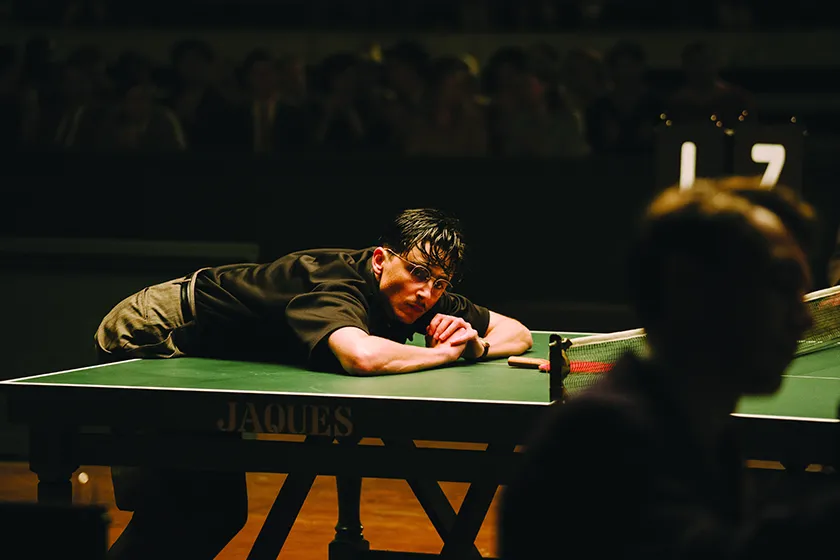
Marty Mauser (Timothée Chalamet) is in pursuit of becoming the greatest table tennis player in the world. When nobody in his family respects his dreams, and people he meets sabotage his efforts to compete in the championship, Marty goes through hell to emerge victorious.
Ambitious, greedy, immature, proud, selfish: you could use any of these terms to describe Marty. On principle alone, the audience should be turned off by his behavior. He exploits those around him to fulfill his needs. Upon wronging a lover or a stranger and his dog, he finds someone else to blame. However, we’re endeared by the guy. He’s charismatic and confident in a way that makes it easy to root for because we either see ourselves in him or wish we could be as determined as he is.
If Chalamet doesn’t win the Oscar for this role, I don’t know what he must do to get his flowers. With every quippy line of dialogue and physical mannerism, he completely disappears into this arrogant, talented man who refuses to take responsibility for his mother, unborn child, and scams he pulls along the way. Amidst the selfishness, Chalamet brings out Marty’s tender side, demonstrating he cares for the very people he ignores or takes advantage of. Marty is plagued with contradictions, which is all you could ask from a lead.
Josh Safdie continues to embrace his frantic tone from before, though with heart this time. His and Ronald Bronstein’s editing choices are so magnetic. A conversation about pens at a fancy restaurant has more energy than most set pieces in major blockbusters. And it’s that “cocky idiot in their 20s” energy that makes the movie so exhilarating. From an acting, scripting, and technical level, Marty Supreme is one of 2025’s defining films. (Edgar Ortega)
2. Sinners
Director: Ryan Coogler
Ryan Coogler has always been one of the industry’s boldest and most ambitious storytellers, but 2025 was the year that he finally delivered his magnum opus and enthralled audiences across the globe with Sinners. His twisted piece of vampiric horror tells the story of two identical twins, Smoke and Stack, who return to their Mississippi hometown after a brief stint in the Chicago Outfit to realize that a supernatural evil is lurking in the shadows. But beyond the haunting visuals and impeccable use of music, what’s so powerful about Sinners is the way Coogler manipulates this traditional vampire story to forge a much darker, more spine-chilling narrative about social hierarchy and the historic subjugation of Black communities in America.
There are plenty of films that know how to weave horror tropes together in the most frightening ways imaginable, and even more movies that have truly pressing stories to tell and vital mouthpieces to deliver them through, but very few that accomplish both these feats with the precision and confidence of Sinners. There’s a reason this became the most talked-about blockbuster of the summer: it’s not just a horror film (though it’s a prime example of how to master the conventions of the genre); it’s also a crucial piece of storytelling that speaks to the society we’re still building today and interrogates its innate flaws. (Jack Walters)
1. One Battle After Another
Director: Paul Thomas Anderson
If you’ve ever seen a Paul Thomas Anderson movie, you’ll know to expect a large cast of flawed but charismatic characters whose contradictions only make them more compelling, elaborate camera movements and immersive settings, and complex storytelling that’s both intimate and chaotic, making for visceral, unforgettable experiences. With a filmography that includes gems like There Will Be Blood, Boogie Nights, Magnolia, and The Master, the bar was very high, and yet One Battle After Another is the filmmaker’s best work to date, combining all we’ve come to admire in his films into one bold, electrifying, wonderfully messy ride.
Leonardo DiCaprio shines as Bob Ferguson, whom we first meet in the 2020s as he infiltrates an immigrant detention center with radical group French 75, led by the fierce Perfidia Beverly Hills (Teyana Taylor). After a series of successful – though random in both scope and ideals – jobs, Perfidia is arrested. Years later, Bob is raising their daughter, Willa (Chase Infiniti), and staying low – until an old enemy of Perfidia’s re-emerges, and father and daughter set off on individual journeys that put them face to face with many intriguing characters. Joining the main cast, Sean Penn and Benicio del Toro excel in two of their most iconic roles to date, and a scene-stealing road is the backdrop to one of the best car chase scenes of the decade.
As insane and absurd as it is, One Battle After Another is also very grounded in its depiction of current politics, authoritarian regimes, and the state of America, where rage and ideology collide into one chaotic whole that feels dangerously close to where we might be headed. Both a thrilling, hilarious, unpredictable ride and an accurate analysis of U.S. politics, One Battle After Another is the best movie of the year. (Serena Seghedoni)
The Best Movies of 2025: Honorable Mentions
Die My Love, Wake Up Dead Man: A Knives Out Mystery, The Ballad of Wallis Island, Nouvelle Vague, The Testament of Ann Lee, The Ugly Stepsister, Peter Hujar’s Day, Bugonia, Grand Tour, Pillion, The Mastermind, The Voice of Hind Rajab, The Phoenician Scheme