
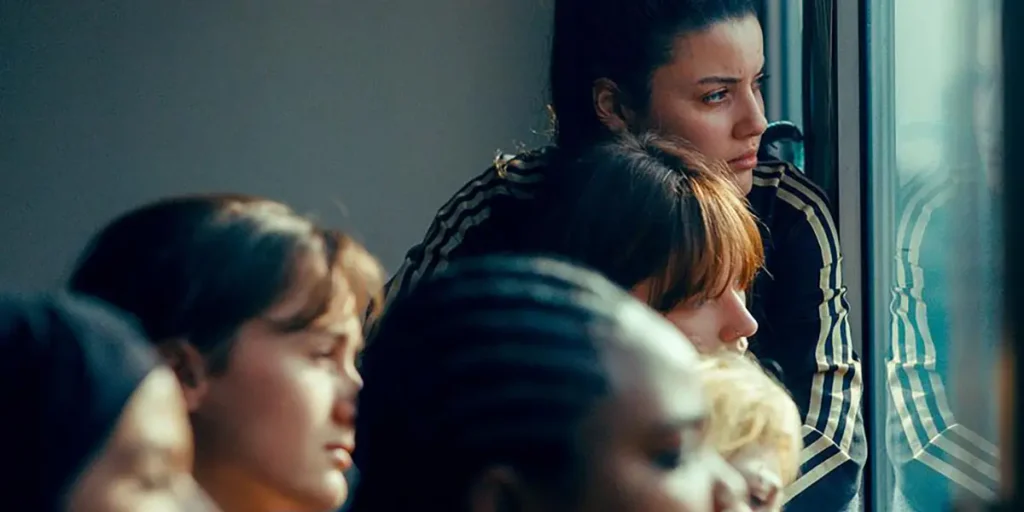
15/18 (A Place to Heal) offers a raw, authentic insight into the social issues that plague today’s younger generation, told through a deeply empathetic lens.
Director: Cédric Kahn
Genre: Drama
Run Time: 105′
Venice World Premiere: September 4, 2026
U.S. Release Date: TBA
U.K. Release Date: TBA
Constructing truly complex, nuanced characters is a huge challenge for any writer; make them too pristine and polished, and they can come across as unrelatable; make them too harsh and messy, and you risk turning the viewer against them. Cédric Kahn’s latest offering, 15/18 (A Place to Heal), perfectly walks this impossible tightrope, forging characters who are troubled and difficult, but also deeply relatable through their response to trauma and social inequity.
The film takes place almost entirely within the confines of the adolescent psychiatric ward in a public hospital, following the intertangled stories of multiple troubled youths whose chequered pasts and toxic upbringings have brought them together. A Place to Heal is a true ensemble, with equal attention given to the entire supporting cast as they undertake their difficult journeys through this chaotic ward. Kahn and Kahina Le Querrec’s screenplay never rushes through these subplots either, giving a well-balanced and nuanced look at each tragic tale before weaving them together into a profoundly moving finale.
By design, A Place to Heal is an incredibly dark and miserable film at times. Kahn never shies away from the horrific traumas that countless young people are forced to deal with on a daily basis, but this level of visceral immersion is exactly what the film needs to get under the viewer’s skin. Whether it’s through first-hand testimony of their experiences, or through the learned behavior and defence mechanisms they adopt, the audience is there for every step of this ugly journey of recovery for these characters.
This can certainly make A Place to Heal a challenging watch, but it’s a vital one all the same. Kahn’s method of simply placing the camera between two actors and letting them converse without much interference or visual flair is a brave one, maintaining the illusion of concrete reality at the expense of a more traditionally “exciting” story. He places the viewer right into the rooms with these characters, allowing us to almost adopt the same role as the nurses and psychologists: overlooking these troubled youths as they go about their day and letting their stories gradually unfold for us.
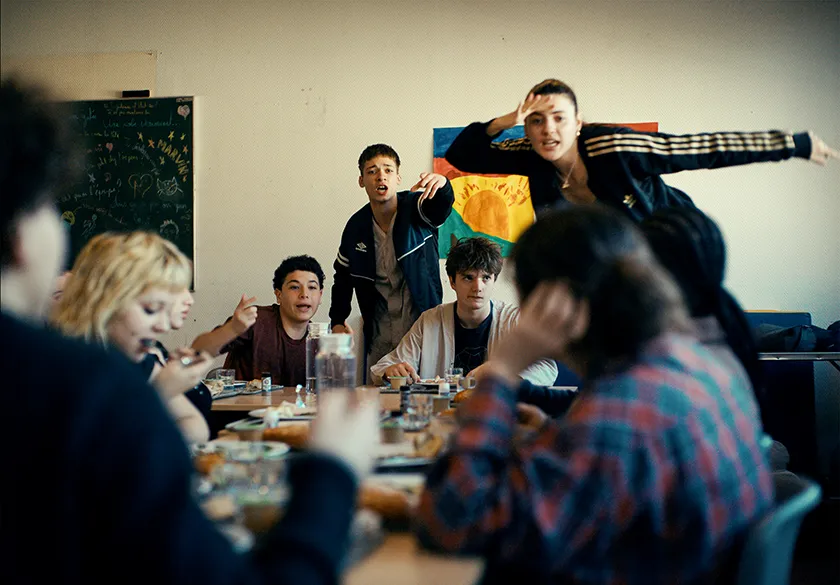
The most glaring weakness of A Place to Heal, and one that fundamentally disrupts so much of the emotional weight that it spends a long time methodically building, is its inability to end at the right moment. Kahn and Le Querrec’s screenplay spends so much time building the intricate dynamics between these characters, planting the seeds of conflict and resolution that will ultimately blossom into a stunning, cathartic finale—then continues for another meandering 20 minutes. The film has a perfect opportunity to wrap itself up with precision and emotional impact, but remains more interested in painstakingly answering every single lingering question rather than leaving certain aspects crucially up for audience interpretation.
One aspect of A Place to Heal that shouldn’t be criticized, however, is the wonderfully introspective performances from the entire cast—particularly the younger actors. In such a richly layered ensemble, every single actor makes their character shine and gives them real depth beyond what’s offered on the page. Zoé Monpart and Antoine du Foucauld are clear standouts, both playing incredibly reserved, out-of-their depth individuals on opposite ends of the scale. The whole cast creates a warm, sentimental atmosphere that runs throughout the entire ward and ends up manifesting on the screen through its sharp, dynamic characters. This is clearly A Place to Heal’s greatest strength, and the asset that makes it much livelier, more dynamic, and ultimately more compelling than any individual aspect of its story.
15/18 (A Place to Heal): Movie Plot & Recap
Synopsis:
Lucia, 17, is brought by the police to the adolescent psychiatric ward in a public hospital, a place she knows all too well. Back inside, she reunites with her friend Eloïse, who is hospitalized long-term, and meets a new group of teenagers, each wrestling with their own struggles. But one day, the arrival of a mysterious new patient named Enzo threatens to turn everything upside down.
Pros:
- Rich, layered performances from a strong ensemble of young actors, each of whom bring their characters to life in exciting, compelling ways.
- A screenplay that’s unafraid to place viewers face-to-face with real trauma and abuse in a way that’s vital to the film’s message of understanding and forgiveness.
Cons:
- A prolonged ending that undermines the effectiveness of the powerful conclusion that precedes it.
15/18 (A Place to Heal) had its World Premiere at the 2026 Venice Film Festival on September 4, 2026. Read our review of Cédric Kahn’s Making Of!